
Introduction
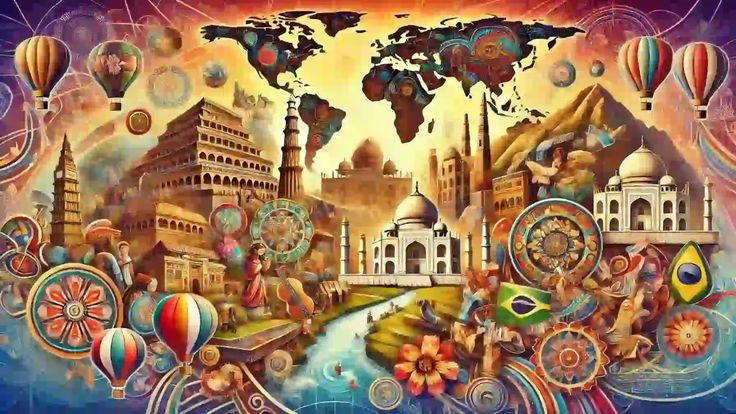
Cultural Heritage is one of the most important parts of human life because it connects us with our past, shapes our present, and guides our future. It includes traditions, monuments, languages, values, customs, and historical sites that are passed from one generation to another. Understanding Cultural Heritage helps us know who we are and where we come from.
In today’s fast-changing world, Cultural Heritage is often at risk due to modernization, urban development, and lifestyle changes. However, it still plays a powerful role in building identity, unity, and respect among people. Cultural Heritage is not just about old buildings or artifacts; it is about living traditions, beliefs, and knowledge that continue to influence society.
When we talk about Cultural Heritage, we are talking about the soul of a community. It helps people stay connected with their roots while adapting to modern life. Schools, families, and governments all play a role in protecting Cultural Heritage. Without it, future generations may lose a sense of identity and belonging.
In this article, we will explore Cultural Heritage in detail, why it matters today, its benefits, risks, and how it can be preserved for the future. We will also discuss common mistakes people make and expert tips to protect it effectively.
What is Cultural Heritage?
Cultural Heritage refers to the legacy of physical objects, traditions, practices, and values that are inherited from past generations. It represents the identity of a group of people or a nation.
There are two main types of Cultural Heritage:
1. Tangible Cultural Heritage
This includes physical items such as:
- Historical monuments
- Buildings and architecture
- Museums and artifacts
- Ancient tools and objects
2. Intangible Cultural Heritage
This includes non-physical elements such as:
- Languages and dialects
- Music, dance, and festivals
- Oral traditions and stories
- Customs, rituals, and beliefs
Cultural Heritage is not limited to one country or group. Every society in the world has its own unique Cultural Heritage. It reflects the way people lived, thought, and expressed themselves in different time periods.
In simple terms, Cultural Heritage is the bridge between the past and the present. It helps us understand human history and cultural diversity in a meaningful way.
Why is Cultural Heritage Important?
Cultural Heritage is important because it shapes identity, builds unity, and preserves history. Without it, societies would lose their connection to the past.
Here are some key reasons why Cultural Heritage matters today:
1. Builds Identity
Cultural Heritage helps individuals understand their roots. It gives people a sense of belonging and pride in their culture.
2. Preserves History
It keeps historical events, traditions, and knowledge alive for future generations.
3. Promotes Unity
Cultural Heritage brings people together by sharing common traditions and values.
4. Supports Education
It helps students learn about history, art, and culture in a meaningful way.
5. Encourages Respect
It teaches respect for different cultures and promotes diversity.
In modern society, Cultural Heritage is more important than ever because globalization is making cultures more similar. Protecting Cultural Heritage ensures that unique traditions are not lost.
Detailed Step-by-Step Guide to Understanding Cultural Heritage
Step 1: Identify Cultural Elements
Start by identifying the cultural elements in your community. These may include traditions, festivals, food, and historical places. Understanding these elements is the first step in learning about Cultural Heritage.
Step 2: Learn the History Behind It
Every cultural element has a story. Learning its history helps you understand why it exists and how it developed over time. This deepens your connection with Cultural Heritage.
Step 3: Observe Traditions in Practice
Participate in cultural events, festivals, and rituals. Observing these practices helps you experience Cultural Heritage in real life instead of just reading about it.
Step 4: Document Cultural Knowledge
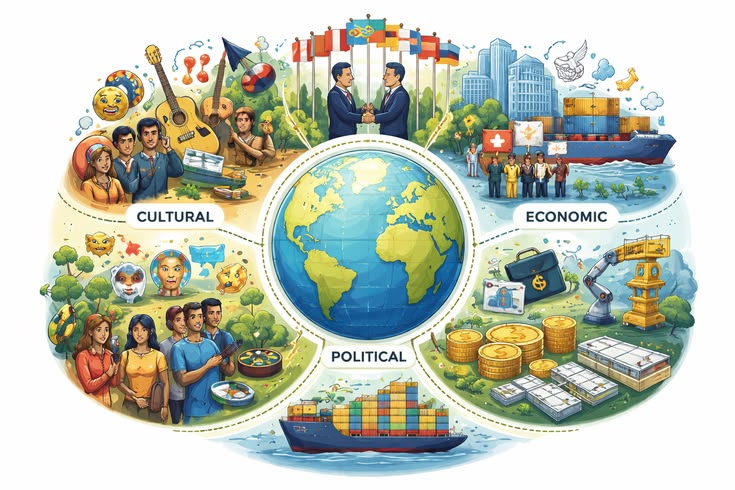
Writing, recording, and photographing cultural practices helps preserve them. Documentation is an important step in protecting Cultural Heritage for future generations.
Step 5: Share with Others
Sharing Cultural Heritage with friends, family, and communities helps spread awareness. It also encourages others to value and protect their own heritage.
Benefits of Cultural Heritage
- Strengthens cultural identity and pride
- Preserves history and traditions
- Promotes tourism and economic growth
- Encourages creativity and artistic expression
- Builds social unity and harmony
- Supports education and research
- Increases respect for diversity
- Connects generations together
Cultural Heritage is not just about the past; it also creates opportunities for the present and future. It can boost tourism industries, create jobs, and promote cultural exchange between countries.
Disadvantages / Risks of Cultural Heritage Loss
- Loss of cultural identity
- Weakening of traditional values
- Disappearance of languages
- Damage to historical sites
- Reduced cultural diversity
- Lack of awareness among youth
- Over-commercialization of traditions
When Cultural Heritage is not protected, societies may lose important knowledge and traditions forever. This can lead to a disconnect between generations and a weaker sense of identity.
Common Mistakes to Avoid
Many people unintentionally harm Cultural Heritage. Here are some common mistakes:
- Ignoring local traditions
- Destroying historical sites for development
- Not teaching children about culture
- Overlooking indigenous knowledge
- Using culture only for commercial profit
- Failing to preserve old languages
- Disrespecting cultural practices of others
Avoiding these mistakes is important for protecting Cultural Heritage and ensuring it remains alive for future generations.
FAQs about Cultural Heritage
1. What does Cultural Heritage mean in simple words?
Cultural Heritage means the traditions, values, monuments, and practices passed from older generations to younger ones. It represents the identity of a community or nation.
2. Why is Cultural Heritage important today?
Cultural Heritage is important because it helps people understand their roots, builds identity, and preserves history in a fast-changing world.
3. What are examples of Cultural Heritage?
Examples include historical buildings, traditional music, festivals, languages, clothing, and ancient artifacts.
4. How can we protect Cultural Heritage?
We can protect it by preserving historical sites, documenting traditions, teaching children about culture, and respecting cultural diversity.
5. What is the difference between tangible and intangible Cultural Heritage?
Tangible Cultural Heritage includes physical objects like monuments and artifacts, while intangible Cultural Heritage includes traditions, languages, and rituals.
6. Can Cultural Heritage change over time?
Yes, Cultural Heritage can evolve as societies change, but its core values and meaning often remain the same.
Experts suggest several ways to preserve Cultural Heritage effectively:
- Support local museums and heritage sites
- Encourage cultural education in schools
- Use digital tools to record traditions
- Promote cultural festivals and events
- Respect and protect indigenous communities
- Involve youth in cultural activities
- Collaborate with global heritage organizations
A strong focus on Cultural Heritage helps build stronger communities and a better understanding of global diversity.
Conclusion
Cultural Heritage is a powerful connection between the past, present, and future. It includes everything from traditions and languages to monuments and values that define a community. Understanding Cultural Heritage helps us appreciate where we come from and how our identity has been shaped over time.
In today’s modern world, Cultural Heritage is more important than ever. Globalization and rapid development are changing how people live, but Cultural Heritage ensures that unique traditions and histories are not lost. It gives meaning to our lives and helps build stronger, more connected societies.
Protecting Cultural Heritage is a shared responsibility. Governments, communities, and individuals must work together to preserve it for future generations. When we respect and value Cultural Heritage, we also protect our identity and cultural diversity.
By learning, sharing, and preserving Cultural Heritage, we can ensure that future generations continue to benefit from the wisdom and traditions of the past.