
Introduction
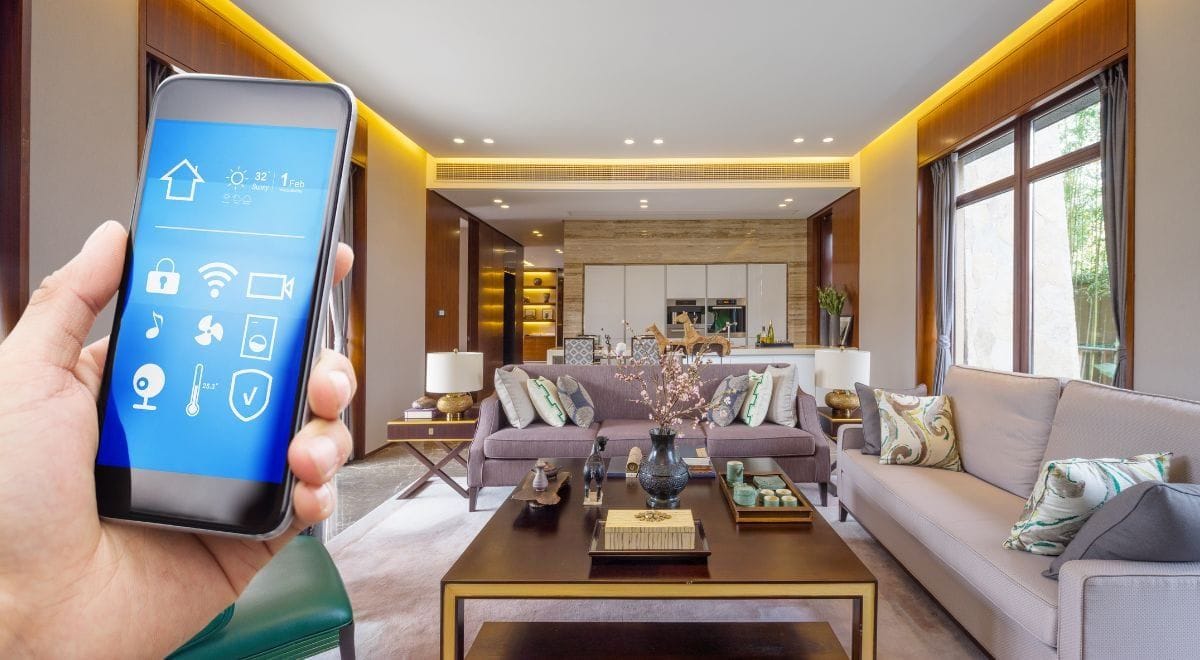
Smart Living Technology is changing the way people live, work, and manage daily activities. From smart lights and security cameras to voice assistants and connected kitchen devices, technology is now becoming part of modern homes. Many families use these tools to save time, improve comfort, increase security, and reduce energy costs. As technology becomes more affordable, more people are adding smart devices to their homes and offices.
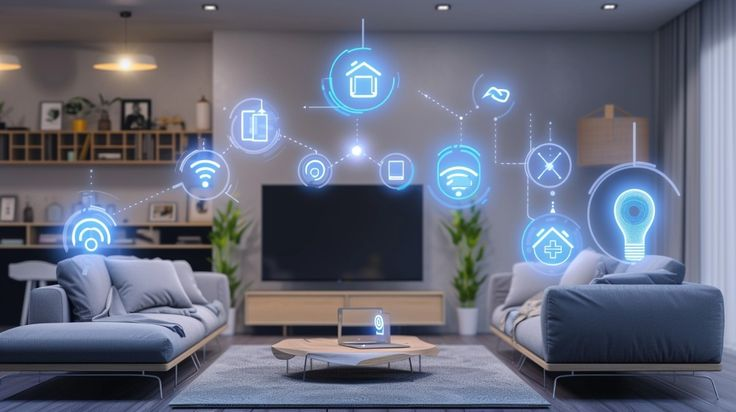
The idea behind Smart Living Technology is simple. Devices connect through the internet and communicate with each other to make life easier. For example, a smart thermostat can adjust room temperature automatically, while a smart speaker can play music, answer questions, or control lights with voice commands. These features create convenience and improve the overall lifestyle experience.
Today, Smart Living Technology is not only for luxury homes. Students, working professionals, small business owners, and families can all benefit from smart systems. Even simple products like smart plugs and automated lights can make a big difference in daily routines.
In this complete guide, you will learn what Smart Living Technology means, why it matters, how it works, its advantages, possible risks, and the best ways to use it. This article is written in simple English so beginners and intermediate readers can understand every concept easily.
What is Smart Living Technology?
Smart Living Technology refers to devices, systems, and applications that use internet connectivity, sensors, and automation to improve everyday life. These technologies help users control appliances, lighting, entertainment, security, and household functions more efficiently.
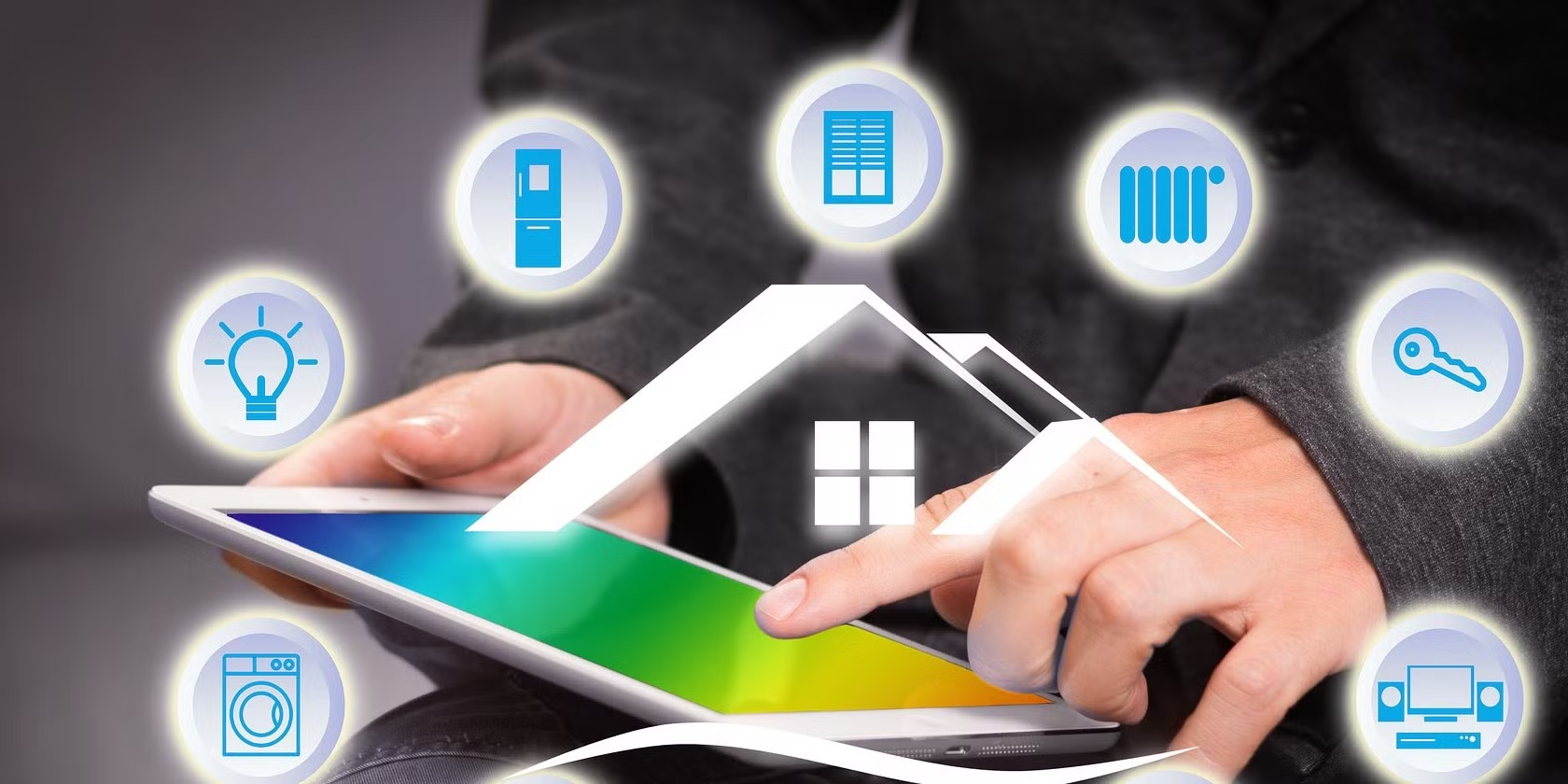
Most Smart Living Technology devices connect through Wi-Fi, Bluetooth, or mobile applications. They can also work together using a central smart home hub or voice assistant. This allows users to control multiple devices from one place.
Examples of Smart Living Technology include:
- Smart lights
- Smart TVs
- Smart door locks
- Smart security cameras
- Smart refrigerators
- Voice assistants
- Smart thermostats
- Smart washing machines
These tools are designed to provide comfort, efficiency, and better control over daily activities. Instead of doing everything manually, users can automate tasks and monitor systems remotely.
For example, a smart lighting system can automatically turn lights off when nobody is in the room. A smart security camera can send alerts to your phone when unusual movement is detected. These features improve both convenience and safety.
The popularity of Smart Living Technology continues to grow because people want faster, safer, and more efficient lifestyles. As internet technology improves, smart living systems are becoming more advanced and user-friendly.
Why is Smart Living Technology Important?
Smart Living Technology is important because it improves daily life in many practical ways. It helps people save time, reduce stress, and manage homes more efficiently. Modern lifestyles are busy, so automation helps simplify routine tasks.
One major benefit is energy efficiency. Smart thermostats, smart bulbs, and automated systems reduce electricity usage. This lowers monthly utility bills and supports environmental sustainability.
Security is another important reason why Smart Living Technology matters. Smart cameras, motion sensors, and digital locks help homeowners monitor properties in real time. Users can receive alerts on mobile phones even when they are away from home.
Smart living systems also improve convenience. Voice assistants allow users to control devices without touching switches or remotes. Automated routines can turn on lights, adjust room temperature, or start appliances automatically.
Health and wellness are also connected to Smart Living Technology. Smart air purifiers, fitness trackers, and sleep monitoring devices help users maintain healthier lifestyles. Some systems even remind users to drink water, exercise, or take medication.
Businesses also use Smart Living Technology to improve productivity and reduce operating costs. Offices use smart lighting, automated entry systems, and energy management tools to create efficient workplaces.
As technology develops further, smart living will become a standard part of modern life. People who understand these systems early can enjoy better convenience and long-term benefits.
Detailed Step-by-Step Guide
Step 1: Understand Your Needs
Before buying smart devices, identify your goals. Some people want better home security, while others want entertainment or energy savings. Understanding your needs helps you choose the right products.
Make a list of daily problems you want to solve. For example:
- Reducing electricity bills
- Improving home security
- Automating household tasks
- Increasing comfort
- Monitoring children or pets
A clear plan prevents unnecessary spending and helps create a better smart living setup.
Step 2: Choose a Reliable Internet Connection
Smart Living Technology depends heavily on internet connectivity. A weak or unstable internet connection can affect device performance.
Choose a fast and reliable Wi-Fi network with good coverage throughout your home. Large homes may require Wi-Fi extenders or mesh systems for better connectivity.
Good internet speed ensures smooth communication between devices and applications.
Step 3: Select Compatible Smart Devices
Not all smart devices work together. Before purchasing products, check compatibility with your preferred platform or voice assistant.
Popular ecosystems include:
- Google Home
- Amazon Alexa
- Apple HomeKit
Using compatible devices makes setup easier and improves system performance.
Start with simple devices if you are a beginner. Smart bulbs, plugs, and speakers are affordable and easy to install.
Step 4: Install Smart Devices Properly
Most Smart Living Technology products include installation instructions. Follow the setup process carefully to avoid connection problems.
Basic installation steps usually include:
- Plugging in the device
- Downloading the mobile application
- Connecting to Wi-Fi
- Creating an account
- Pairing the device with your phone
Some advanced systems may require professional installation, especially security cameras and smart locks.
Step 5: Create Automation Routines
Automation is one of the most useful features of Smart Living Technology. Users can create routines that perform actions automatically.
Examples include:
- Turning lights on at sunset
- Locking doors at night
- Adjusting temperature automatically
- Playing morning alarms and news updates
Automation saves time and improves convenience.
Step 6: Improve Security Settings
Security is extremely important when using Smart Living Technology. Since devices connect to the internet, they can become targets for hackers if not protected properly.
Use strong passwords and enable two-factor authentication whenever possible. Regularly update device software to fix security vulnerabilities.
Avoid connecting unknown or unsafe devices to your network.
Step 7: Monitor and Upgrade Your System

Technology changes quickly, so monitoring your system regularly is important. Check device performance, update applications, and replace outdated products when necessary.
As your experience grows, you can expand your smart home with advanced systems like automated curtains, smart irrigation systems, and AI-powered assistants.
Benefits of Smart Living Technology
Smart Living Technology offers many advantages for modern users. Some of the main benefits include:
- Improved convenience in daily life
- Better energy management
- Reduced electricity bills
- Enhanced home security
- Remote access to devices
- Faster completion of household tasks
- Improved comfort and relaxation
- Smart monitoring of appliances
- Better control over entertainment systems
- Increased property value
- Personalized user experiences
- Health and wellness tracking
- Better time management
- Easy voice control features
- Advanced automation options
Many users experience significant lifestyle improvements after adopting smart living systems. Even small upgrades can create noticeable benefits over time.
Disadvantages / Risks
Although Smart Living Technology provides many advantages, there are also some risks and disadvantages users should understand.
- Initial setup costs can be expensive
- Internet dependency may cause problems
- Privacy concerns exist with connected devices
- Cybersecurity risks may affect user data
- Technical issues can interrupt automation
- Some devices become outdated quickly
- Compatibility issues may occur
- Power outages can affect smart systems
- Learning new technology may take time
- Frequent software updates may be required
Understanding these challenges helps users make smarter decisions and use technology more safely.
Common Mistakes to Avoid
Many beginners make simple mistakes when starting with Smart Living Technology. Avoiding these problems can save time, money, and frustration.
One common mistake is buying too many devices at once. Start with basic products and expand gradually. This makes learning easier and reduces confusion.
Another mistake is ignoring compatibility. Always check whether devices work with your existing smart home ecosystem before purchasing.
Weak passwords are another major issue. Many users forget to secure their devices properly. Strong passwords and updated software improve protection.
Poor Wi-Fi coverage can also affect performance. Devices may disconnect frequently if internet signals are weak.
Some users also ignore privacy settings. Read permissions carefully and control what information devices can access.
Finally, avoid purchasing low-quality products from unknown brands. Reliable brands usually offer better security, support, and software updates.
FAQs
1. What is Smart Living Technology in simple words?
Smart Living Technology refers to devices and systems that connect to the internet and help automate everyday tasks. These tools improve convenience, comfort, and security in homes and offices.
2. Is Smart Living Technology expensive?
The cost depends on the type of devices you choose. Basic smart products like bulbs and plugs are affordable, while advanced systems may cost more. Users can start small and upgrade gradually.
3. Can Smart Living Technology save electricity?
Yes, many smart devices reduce energy usage. Smart thermostats, automated lighting, and smart plugs help control electricity consumption efficiently.
4. Is Smart Living Technology safe?
Smart systems can be safe when users follow security practices. Strong passwords, software updates, and secure Wi-Fi networks help protect devices from cyber threats.
5. Do smart devices work without the internet?
Some features may still work locally, but most Smart Living Technology products require internet access for remote control, updates, and automation.
6. Which smart device is best for beginners?
Smart speakers, smart bulbs, and smart plugs are excellent starting options. They are easy to install, affordable, and useful for everyday tasks.
7. Can Smart Living Technology increase property value?
Yes, homes with modern smart systems may attract more buyers and achieve higher market value because of improved convenience and security features.
Expert Tips & Bonus Points
If you want the best experience with Smart Living Technology, follow these expert recommendations.
Start with one ecosystem and stay consistent. Using compatible devices improves stability and simplifies management.
Create smart routines that match your lifestyle. For example, automate lighting schedules based on your work hours.
Use energy-monitoring features to identify appliances that consume excessive electricity. This helps reduce monthly utility costs.
Keep your software updated regularly. Updates improve performance, security, and compatibility.
Invest in quality products instead of cheap alternatives. Reliable brands usually last longer and offer better customer support.
Position smart speakers and sensors carefully for better performance. Proper placement improves voice recognition and automation accuracy.
Use guest networks for smart devices if possible. This adds another layer of security to your home network.
Test automation routines regularly to ensure everything works correctly. Small adjustments can improve overall performance.
Consider future expansion before purchasing devices. Choosing scalable systems makes upgrading easier later.
Learn basic troubleshooting skills. Restarting devices, reconnecting Wi-Fi, and updating firmware can solve many common problems quickly.
Conclusion
Smart Living Technology is transforming modern lifestyles by making homes and workplaces more connected, efficient, and secure. From smart lighting and automated appliances to advanced security systems and voice assistants, these technologies offer practical solutions for everyday challenges. People now have more control over their environments than ever before.
One of the biggest advantages of Smart Living Technology is convenience. Users can automate daily tasks, monitor homes remotely, and manage devices with simple voice commands or mobile applications. At the same time, smart systems can help reduce electricity usage and improve energy efficiency, leading to long-term savings.
However, users should also understand the possible risks. Privacy concerns, cybersecurity threats, and compatibility issues can affect the overall experience if systems are not managed carefully. Choosing trusted products, maintaining strong security settings, and updating software regularly are essential steps for safe usage.
For beginners, the best approach is to start small and expand gradually. Simple devices like smart bulbs, plugs, and speakers provide a good introduction to smart living systems. As confidence and experience grow, users can add more advanced automation features to create fully connected environments.
In the future, Smart Living Technology will continue to evolve and become more common around the world. People who understand these systems today can enjoy greater comfort, better security, and improved efficiency in their daily lives.