
Introduction
Technology has changed the way people live, work, and manage their homes. Today, smart devices are no longer luxury products for tech experts only. They are becoming common in modern households because they make life easier, safer, and more comfortable. Understanding the Types of Smart Home Devices You Need to Know can help beginners choose the right products without confusion.
Smart home technology allows devices to connect through the internet and work automatically or through voice commands. For example, you can switch off lights from your phone, lock doors remotely, or even ask a voice assistant to play music. These devices save time and improve convenience in daily life.
Many homeowners now invest in smart home systems because they also improve energy efficiency and home security. Smart thermostats can reduce electricity bills, while smart cameras help monitor your property from anywhere. As technology continues to improve, more affordable options are becoming available for everyone.
Learning about the Types of Smart Home Devices You Need to Know is important before buying products for your home. Some devices focus on comfort, while others are designed for entertainment, automation, or safety. Choosing the right combination can create a connected home experience that fits your lifestyle and budget.
In this guide, you will explore different smart home devices, their uses, benefits, risks, and expert tips for making better purchasing decisions.
What is Types of Smart Home Devices You Need to Know?
The phrase Types of Smart Home Devices You Need to Know refers to the various internet-connected devices designed to automate and improve household activities. These devices communicate through Wi-Fi, Bluetooth, or smart hubs to perform tasks automatically or through remote control.
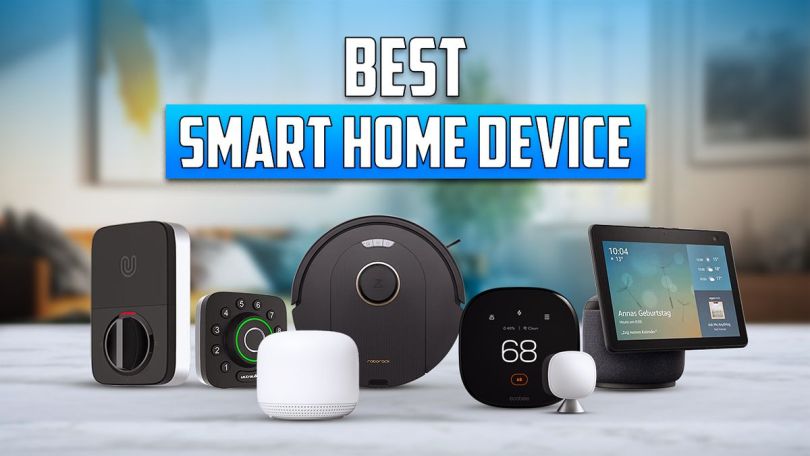
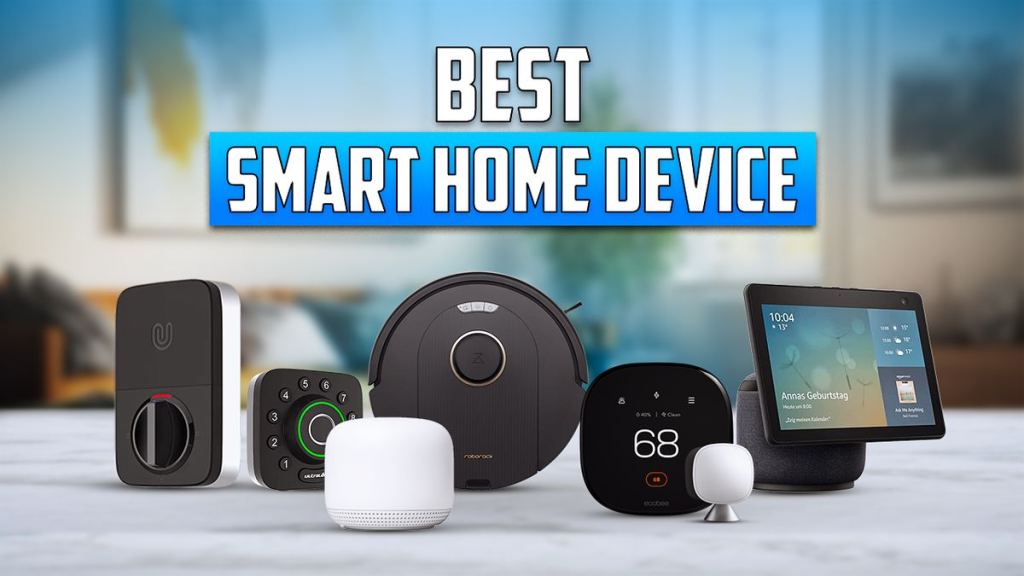
Smart home devices include products such as smart speakers, security cameras, lighting systems, thermostats, smart locks, robotic vacuum cleaners, and kitchen appliances. Most devices can be controlled through mobile apps or voice assistants.
These products work together to create a connected home environment. For example, a smart security system may send alerts to your phone when motion is detected. At the same time, smart lights can turn on automatically when someone enters the room.
Modern smart home systems are designed for convenience and flexibility. Some people start with one device, such as a smart speaker, and later expand their system with additional products.
The main purpose of smart home technology is to improve comfort, save energy, increase security, and simplify everyday activities.
Why is Types of Smart Home Devices You Need to Know Important?
Understanding the Types of Smart Home Devices You Need to Know is important because it helps consumers make informed decisions. Many people purchase devices without understanding compatibility, features, or long-term usefulness.
Smart home technology can improve daily living in many ways. It reduces manual work and allows homeowners to control different functions with ease. For busy families, this can save valuable time every day.
Security is another major reason smart home devices are important. Smart cameras, alarms, and locks help protect homes from theft or unauthorized access. Real-time notifications also allow homeowners to respond quickly during emergencies.
Energy efficiency is another key advantage. Smart thermostats, lights, and plugs help reduce electricity usage by controlling energy consumption automatically.
In addition, smart home systems can improve accessibility for elderly individuals or people with disabilities. Voice commands and automation features make daily tasks easier and more comfortable.
Knowing the different types of devices also helps you avoid wasting money on unnecessary products. Instead, you can focus on devices that match your needs and lifestyle.
Detailed Step-by-Step Guide
Step 1: Understand Your Needs
Before buying any device, identify what you want to improve in your home. Some people prioritize security, while others focus on entertainment or energy savings.
Make a list of your goals. For example:
- Better home security
- Energy efficiency
- Easy home automation
- Entertainment improvements
- Convenience for daily tasks
This step helps narrow your choices and prevents unnecessary spending.
Step 2: Learn About Smart Speakers and Voice Assistants
Smart speakers are among the most popular devices in modern homes. They allow users to control other devices through voice commands.
Common features include:
- Playing music
- Setting reminders
- Controlling smart lights
- Answering questions
- Managing schedules
Voice assistants make smart home systems easier to manage because users can control multiple devices hands-free.
Step 3: Explore Smart Lighting Systems
Smart lighting systems allow users to control brightness, colors, and schedules remotely.
Features include:
- Turning lights on or off remotely
- Creating lighting schedules
- Adjusting brightness automatically
- Changing colors for mood settings
These systems improve convenience and help reduce electricity bills.
Step 4: Understand Smart Security Devices
Security devices are one of the most valuable categories in the Types of Smart Home Devices You Need to Know.
Popular options include:
- Smart cameras
- Video doorbells
- Motion sensors
- Smart alarms
- Smart locks
These devices provide real-time monitoring and notifications through mobile apps.
Step 5: Learn About Smart Thermostats
Smart thermostats control heating and cooling systems automatically. They learn user habits and adjust temperatures for comfort and energy savings.
Benefits include:
- Reduced electricity bills
- Better temperature control
- Remote access through apps
- Automatic scheduling
These devices are especially useful in homes with high energy usage.
Step 6: Discover Smart Kitchen Appliances
Modern kitchens now include many smart devices that improve cooking and food management.
Examples include:
- Smart refrigerators
- Smart ovens
- Smart coffee makers
- Smart microwaves
These appliances can send alerts, suggest recipes, or allow remote control through smartphones.
Step 7: Consider Smart Cleaning Devices
Smart cleaning devices reduce manual effort and save time.
Popular examples include:
- Robotic vacuum cleaners
- Smart air purifiers
- Smart washing machines
Robotic vacuums automatically clean floors and return to charging stations when needed.
Step 8: Use Smart Entertainment Devices
Entertainment systems are another important part of the Types of Smart Home Devices You Need to Know.
Common devices include:
- Smart TVs
- Streaming devices
- Smart speakers
- Gaming systems
These products improve entertainment experiences with voice control and personalized recommendations.
Step 9: Install Smart Plugs and Smart Switches
Smart plugs allow traditional appliances to become smart devices.
Users can:
- Control appliances remotely
- Create schedules
- Monitor energy usage
Smart switches work similarly and help automate lighting systems.
Step 10: Connect Devices Through a Smart Hub
A smart hub connects multiple devices into one system.
Benefits include:
- Centralized control
- Better automation
- Improved compatibility
- Easier management
Some smart homes operate without hubs, but advanced systems often perform better with one.
Benefits of Types of Smart Home Devices You Need to Know
The Types of Smart Home Devices You Need to Know offer several benefits for homeowners.
Convenience
- Control devices from anywhere
- Use voice commands for daily tasks
- Automate repetitive activities
Improved Security
- Monitor homes remotely
- Receive instant alerts
- Control locks from mobile devices
Energy Savings
- Reduce electricity usage
- Manage heating and cooling efficiently
- Schedule appliances automatically
Better Comfort
- Adjust room temperatures easily
- Customize lighting settings
- Create personalized home environments
Time Saving
- Automate cleaning tasks
- Simplify daily routines
- Reduce manual work
Increased Property Value
- Modern smart homes attract buyers
- Advanced systems improve home appeal
- Energy-efficient homes often sell faster
Accessibility
- Assist elderly individuals
- Support people with disabilities
- Enable easier home control
Disadvantages / Risks
Although smart technology offers many advantages, there are also some risks and disadvantages.
Privacy Concerns
- Devices collect user data
- Some systems track personal habits
- Poor security may expose information
Internet Dependence
- Most devices require internet connections
- Network failures may interrupt services
- Slow internet affects performance
High Initial Costs
- Advanced systems can be expensive
- Installation costs may increase budgets
- Some devices require subscriptions
Compatibility Problems
- Not all devices work together
- Different brands use different systems
- Older products may become outdated
Cybersecurity Risks
- Weak passwords can expose systems
- Hackers may target connected devices
- Regular software updates are necessary
Maintenance Requirements
- Devices need updates and maintenance
- Batteries may require replacement
- Technical issues can occur over time
Common Mistakes to Avoid
Many beginners make mistakes when setting up smart homes. Understanding these errors can save time and money.
One common mistake is buying devices without checking compatibility. Some products work only with certain platforms or hubs.
Another mistake is ignoring security settings. Many users forget to change default passwords, making devices vulnerable to hacking.
People also overspend on unnecessary products. Instead of buying many devices at once, start with essential products and expand gradually.
Poor Wi-Fi coverage is another issue. Smart devices depend on stable internet connections, so weak signals can reduce performance.
Some homeowners ignore software updates. Updates improve security and fix performance issues, so they should not be skipped.
Choosing complicated systems without proper research can also create frustration. Beginners should start with user-friendly devices.
Finally, many users fail to create automation routines. Smart devices become more useful when they work together automatically.
FAQs
What are the most popular smart home devices?
The most popular devices include smart speakers, smart lights, security cameras, smart thermostats, and smart locks. These products are widely used because they improve convenience, security, and energy efficiency.
Are smart home devices difficult to install?
Most smart home devices are designed for beginners and include simple instructions. Many products can be installed using mobile apps without professional help.
Do smart home devices save electricity?
Yes, many smart devices reduce electricity usage. Smart thermostats, lights, and plugs help control energy consumption automatically, which lowers utility bills over time.
Can smart home devices work without the internet?
Some devices can perform basic functions without internet access, but most advanced features require a stable connection. Remote control and app-based features usually depend on internet services.
Are smart home systems secure?
Smart home systems can be secure if users follow safety practices. Using strong passwords, enabling two-factor authentication, and updating software regularly improves protection.
Which smart home device should beginners buy first?
Smart speakers or smart lighting systems are usually the best starting points for beginners. They are affordable, easy to use, and compatible with many other devices.
Can smart home devices increase property value?
Yes, modern smart systems can make homes more attractive to buyers. Security systems, energy-saving devices, and automation features often improve property value.
Do smart home devices require monthly fees?
Some devices include free features, while others require subscriptions for cloud storage or advanced services. Security cameras often charge monthly fees for video storage.
Expert Tips & Bonus Points
Start small when building a smart home. Buying too many devices at once can become confusing and expensive.
Choose products from trusted brands because reliable companies usually provide better security and long-term support.
Use strong Wi-Fi coverage throughout your home. A quality router improves device performance and connection stability.
Create automation routines for daily activities. For example, lights can switch off automatically when everyone leaves home.
Group compatible devices together. This makes management easier and improves automation efficiency.
Always update device software. Updates protect systems from security threats and improve functionality.
Focus on practical needs instead of trendy products. Devices that solve real problems provide better long-term value.
Consider energy-saving features when purchasing products. Smart thermostats and lighting systems can reduce monthly expenses significantly.
Read customer reviews before buying devices. Real user experiences often reveal important advantages and disadvantages.
Finally, learn gradually. Understanding the Types of Smart Home Devices You Need to Know becomes easier with hands-on experience and careful research.
Conclusion
Smart home technology continues to grow rapidly, and more households are adopting connected devices every year. Understanding the Types of Smart Home Devices You Need to Know helps homeowners choose products that improve comfort, security, and efficiency without unnecessary confusion.
From smart speakers and lighting systems to advanced security cameras and thermostats, each device offers unique advantages. Some products save time by automating daily tasks, while others reduce energy consumption or improve home safety. Choosing the right combination depends on your lifestyle, budget, and personal preferences.
Although smart home systems provide many benefits, users should also understand the possible risks. Privacy concerns, compatibility issues, and cybersecurity threats are important factors to consider before making purchases. Fortunately, most problems can be minimized with proper research, strong passwords, and regular software updates.
Beginners should start with simple devices and expand their systems gradually. This approach reduces costs and allows users to learn how different products work together. Investing in reliable brands and maintaining strong internet connections also improves the overall smart home experience.
cts save time by automating daily tasks, while others reduce energy consumption or improve home safety. Choosing the right combination depends on your lifestyle, budget, and personal c