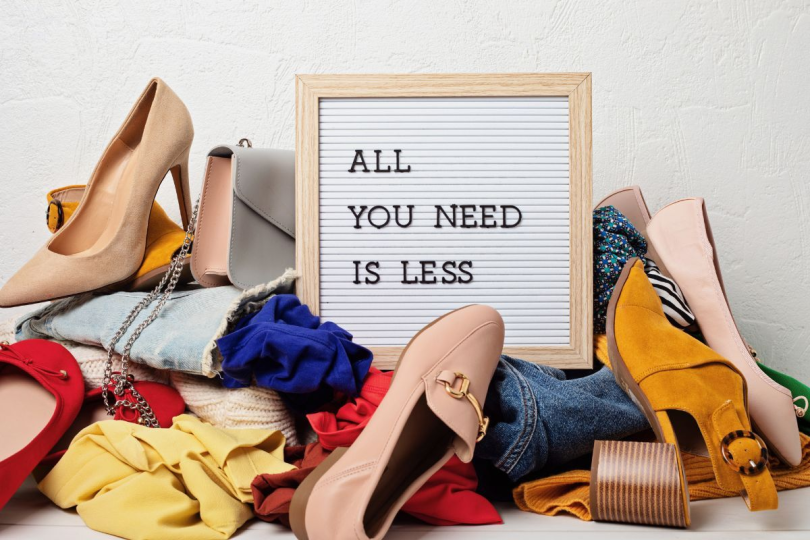


For years, being busy was treated as proof of success. Full calendars, constant notifications, and the pressure to do everything faster shaped how most people lived. Recently, though, a quieter movement has been gaining ground. Slow living trends are encouraging people to do fewer things with more attention, to protect their time as carefully as their money, and to measure a good day by how it felt rather than how much was squeezed into it. This shift is not about laziness or giving up ambition; it is about living deliberately in a world that constantly demands speed.
What Slow Living Actually Means
Slow living is often misunderstood as doing everything at a snail’s pace. In reality, it means matching your pace to the activity. Cooking a meal slowly because you enjoy it, but answering routine emails quickly because they do not deserve your whole morning. Among the most popular slow living trends is the idea of single-tasking: giving one thing your full attention at a time, whether that is a conversation, a walk, or a chapter of a book. People who try it usually report that the day feels longer and less fragmented, even though the clock says otherwise.
The movement grew from several directions at once: slow food, slow travel, slow fashion, and now slow technology. Each shares the same belief, that quality and presence matter more than volume and speed. You do not need to adopt all of them. Choosing even one area of life to slow down noticeably changes the feel of the whole week.
Calmer Mornings Set the Tone
How the day begins strongly influences how it unfolds, which is why so many slow living trends focus on the first hour. Waking slightly earlier to avoid rushing, keeping the phone in another room until after breakfast, and eating sitting down instead of standing at the counter are small changes with outsized effects. A slow morning tells your nervous system that there is no emergency, and that calm tends to carry through meetings, commutes, and deadlines.
Some people use the time for journaling, stretching, or simply drinking coffee by a window. Others enjoy documenting the experiment; if you are tempted to share your own routine, learning how to structure a blog post step by step can help you turn quiet reflections into something genuinely useful for readers who want to slow down too.
Mindful Money and the Joy of Enough
Slow living also changes how people spend. Instead of impulse purchases and constant upgrades, the trend favours buying fewer, better things and enjoying them for longer. That mindset pairs naturally with calmer financial habits: planning purchases in advance, saving steadily, and avoiding the background stress of money worries. This guide on planning a savings goal with a SIP calculator shows how a clear, patient plan can replace financial anxiety with quiet confidence.
Many followers of the slow living movement describe a surprising result: spending less often feels like gaining more. Fewer deliveries, fewer decisions, and fewer objects to maintain free up both money and mental space. The goal is not strict minimalism, but a comfortable sense of enough.
Slowing Down Food, Travel, and Free Time
Food was where the slow movement began, and it remains its most delicious expression. Cooking from basic ingredients, eating at a table, and sharing meals without screens are habits that improve health and relationships at the same time. Weekend markets, home baking, and family recipes are all returning because they turn eating back into an experience instead of a refuelling stop.
Travel is changing in the same direction. Rather than racing through ten cities in a week, slow travellers stay in one place longer, rent an apartment instead of a hotel room, and spend mornings in the same neighbourhood café until the staff know their order. Free time at home follows the pattern too: long walks, board games, gardening, and reading are replacing the exhausting habit of filling every spare minute with content. These habits share one insight, that rest is not the absence of activity, but the presence of the right kind.
How to Start Without Changing Everything
The biggest mistake is trying to transform your whole life in one weekend. Start with a single anchor habit: a phone-free breakfast, a twenty-minute evening walk, or one slow, home-cooked dinner each week. Keep it small enough that it survives busy days, and let it grow naturally. Protecting even thirty unhurried minutes a day changes how the remaining hours feel.
It also helps to remove friction. Lay out the teapot the night before, keep a book where your phone usually sits, and tell friends and family what you are trying, so they support rather than sabotage it. Slow living is contagious; households often find that one person’s calmer routine quietly improves everyone’s evenings.
Slowing Down at Work, Too
Slow living does not stop at the front door of the office. At work, the same philosophy translates into realistic to-do lists, meetings with clear purposes, and the courage to protect an hour of uninterrupted focus in the middle of a noisy day. Constant urgency is often a habit rather than a necessity, and teams that question it usually discover that fewer, calmer priorities produce better results than a frantic attempt at everything. Even email can be slowed: checking messages at set times instead of continuously is one of the simplest slow living trends to adopt, and most people who try it are surprised by how little is actually lost and how much concentration is gained.
Conclusion
Slow living trends are not a rejection of modern life, but a correction to its pace. By starting the day calmly, spending mindfully, eating and travelling with attention, and defending small pockets of unhurried time, you can feel more present in your own life without moving to the countryside or abandoning your ambitions. Begin with one small habit this week. The calm you are looking for is rarely found by adding something new; it is usually recovered by slowing down what is already there.