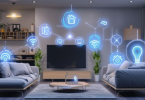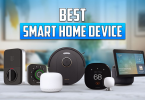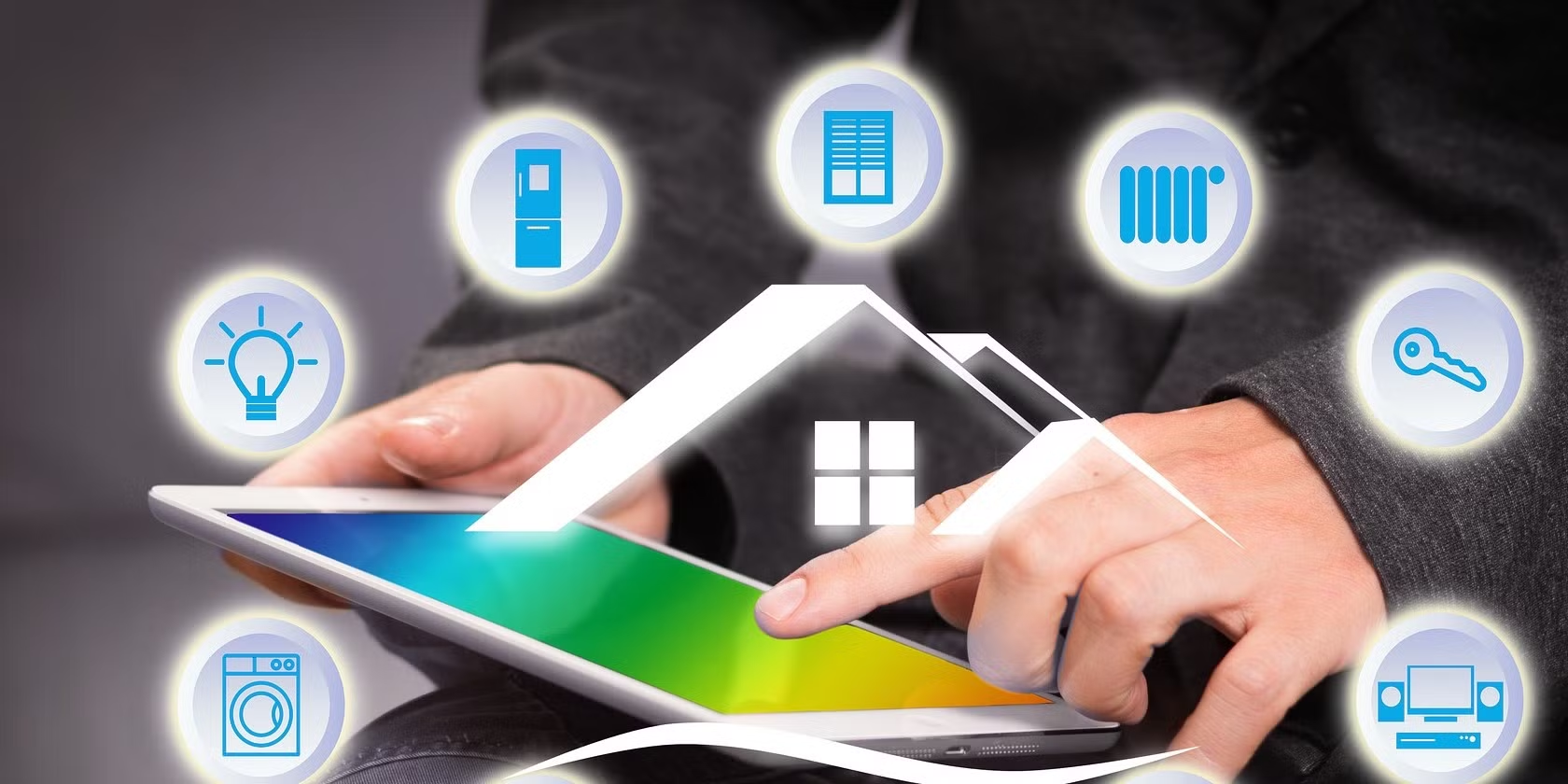

Smart home technology has transformed the way people live in 2026. It allows you to control home devices like lights, security systems, appliances, and entertainment systems using your smartphone or voice commands.
These devices are designed to make life easier, safer, and more energy-efficient. From simple smart bulbs to advanced home automation systems, smart technology is becoming a normal part of modern households.
Why Smart Home Devices Are Important
Smart home devices improve convenience and comfort by automating daily tasks. You can control multiple systems without physically interacting with them.
They also enhance security by allowing real-time monitoring of your home. Many devices send alerts if they detect unusual activity.
Another major benefit is energy efficiency. Smart systems help reduce electricity usage, which lowers utility bills over time.
Smart Speakers and Voice Assistants
Smart speakers are one of the most popular smart home devices. They allow users to control other devices using voice commands.
Amazon Alexa and Google Assistant are widely used systems that help manage smart home devices, play music, set reminders, and answer questions.
These assistants act as the central control hub for many smart homes.
Smart Lighting Systems
Smart lighting allows you to control brightness, color, and timing through your smartphone or voice assistant.
You can set schedules so lights turn on or off automatically, improving both convenience and energy savings.
Some smart lights also adjust based on natural sunlight, making your home more efficient.
Smart Security Cameras
Smart security cameras provide real-time monitoring of your home. You can view live footage from anywhere using your mobile phone.
These cameras often include motion detection, night vision, and alert notifications.
They are an essential part of home security, helping prevent theft and unauthorized access.
Smart Door Locks
Smart locks allow you to lock and unlock doors using your smartphone, PIN codes, or biometric data.
They eliminate the need for traditional keys, reducing the risk of losing or duplicating them.
Some smart locks also allow temporary access for guests or service providers.
Smart Thermostats
Smart thermostats help control home temperature automatically based on your preferences and daily routines.
They learn your habits over time and adjust heating or cooling to improve comfort and save energy.
This makes them both convenient and cost-effective.
Smart Home Appliances
Modern appliances like refrigerators, washing machines, and ovens are now becoming smart.
These devices can be controlled remotely and often come with features like energy monitoring and automated settings.
They make household management more efficient and time-saving.
Smart Plugs and Power Strips
Smart plugs allow you to control any regular device by connecting it to a smart outlet.
You can turn devices on or off remotely or set schedules for usage.
This helps reduce energy waste and improves safety in the home.
Smart Entertainment Systems
Smart TVs and streaming devices have changed home entertainment. They allow users to access online content, apps, and streaming platforms easily.
You can also connect them with voice assistants for hands-free control.
These systems provide a more personalized viewing experience.
Smart Sensors
Smart sensors detect movement, temperature, smoke, or water leaks in your home.
They send instant alerts if something unusual happens, helping prevent damage or accidents.
These sensors are important for both safety and automation.
Benefits of Smart Home Devices
Smart home devices improve comfort, security, and efficiency. They save time by automating daily tasks and reduce energy consumption.
They also provide better control over your living environment, making homes more modern and connected.
Challenges of Smart Home Technology
Despite their benefits, smart devices can be expensive and require stable internet connectivity.
Privacy and security concerns are also important, as connected devices can be vulnerable to cyber threats if not properly secured.
Proper setup and regular updates are necessary for safe usage.
Conclusion
Smart home devices are becoming an essential part of modern living in 2026. From voice assistants and smart lighting to security systems and automated appliances, these technologies make life easier and more efficient.
By choosing the right devices, homeowners can enjoy better comfort, safety, and energy savings. Smart homes are no longer a future concept—they are the present reality of modern living.