
Introduction
Types of Cultural Festivals Worldwide are one of the most exciting ways to understand human traditions, beliefs, and celebrations across the globe. These festivals reflect the identity of communities and show how people express joy, gratitude, and unity. From colorful street parades to spiritual gatherings, every culture has unique ways of celebrating life.
In today’s global world, Types of Cultural Festivals Worldwide help people connect beyond borders. They allow us to learn about different customs, food, music, dance, and rituals. Whether it is a harvest festival in Asia, a carnival in Europe, or a spiritual ceremony in Africa, each celebration tells a story.
Moreover, Types of Cultural Festivals Worldwide are not only about entertainment. They also preserve history and pass traditions from one generation to another. This makes them an important part of cultural heritage.
In this article, you will explore different categories of festivals, their importance, benefits, and much more in a simple and easy-to-understand way. Let’s dive into this colorful journey of global celebrations and discover how people around the world celebrate life in unique and meaningful ways.
What is Types of Cultural Festivals Worldwide?
Types of Cultural Festivals Worldwide refer to different kinds of celebrations that are based on culture, religion, history, or seasonal events. These festivals are organized by communities to express their identity, beliefs, and traditions.
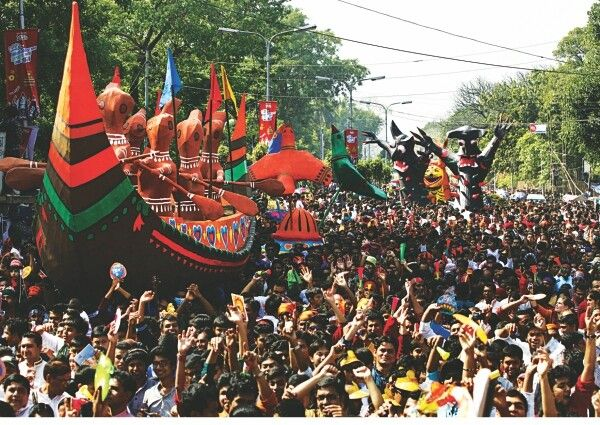
Cultural festivals can vary widely depending on the region. For example, some festivals focus on religious rituals, while others celebrate music, food, or seasonal changes. Despite differences, all festivals share a common goal: bringing people together.
In simple terms, Types of Cultural Festivals Worldwide are organized events where people celebrate their heritage. These celebrations often include traditional clothing, local cuisine, folk music, dances, and storytelling.
For example:
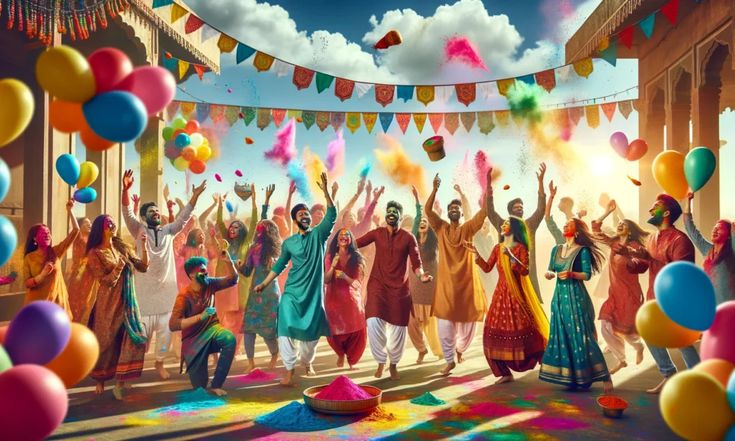
- Diwali in India celebrates the victory of light over darkness.
- Carnival in Brazil is known for its colorful parades and music.
- Oktoberfest in Germany focuses on traditional food and cultural unity.
Each of these festivals reflects the lifestyle and beliefs of the people who celebrate them. That is why Types of Cultural Festivals Worldwide are considered an important part of global culture and identity.
Why is Types of Cultural Festivals Worldwide Important?
Types of Cultural Festivals Worldwide play a major role in preserving cultural heritage and strengthening community bonds. They are not just events but meaningful traditions that connect the past with the present.
One of the main reasons these festivals are important is cultural preservation. They help keep old traditions alive in modern society. Without festivals, many cultural practices could be forgotten over time.
Another important aspect is social unity. Types of Cultural Festivals Worldwide bring people together, regardless of age, background, or beliefs. They create a sense of belonging and harmony among communities.
These festivals also support education and awareness. People learn about different cultures, which increases respect and understanding between societies.
In addition, they boost tourism and local economies. Many travelers visit countries specifically to experience famous festivals, which helps local businesses grow.
Lastly, Types of Cultural Festivals Worldwide promote happiness and relaxation. They allow people to take a break from daily life and enjoy joyful moments with family and friends.
Detailed Step-by-Step Guide
Step 1: Understanding the Purpose of the Festival
The first step in exploring Types of Cultural Festivals Worldwide is understanding why the festival exists. Some festivals are religious, while others are seasonal or historical. Knowing the purpose helps in appreciating the celebration better.
Step 2: Learning the Cultural Background
Each festival has a cultural background that explains its origin. Researching history helps you understand traditions and rituals. For example, harvest festivals celebrate farming success in many countries.
Step 3: Exploring Customs and Traditions
Next, observe the customs followed during the festival. These may include special clothing, prayers, dances, or food. Types of Cultural Festivals Worldwide often include unique traditions that make each celebration special.
Step 4: Participating in Activities
Many festivals encourage participation. People join parades, music events, or religious ceremonies. This involvement helps individuals experience culture firsthand.
Step 5: Understanding Symbolism
Every festival has symbols that carry meaning. For example, lights in festivals often represent hope, while colors may symbolize joy or prosperity.
Step 6: Respecting Cultural Differences
It is important to respect different cultures while attending festivals. Understanding and respecting traditions ensures positive experiences.
Benefits of Types of Cultural Festivals Worldwide
- Strengthens cultural identity and heritage
- Promotes social harmony and unity
- Encourages tourism and economic growth
- Provides entertainment and relaxation
- Educates people about global traditions
- Helps preserve historical customs
- Builds international understanding
Disadvantages / Risks
- Large crowds can cause safety issues
- High costs for organizing events
- Environmental pollution from celebrations
- Commercialization may reduce cultural value
- Cultural misunderstanding or misinterpretation
- Traffic and public disturbance in cities
Common Mistakes to Avoid
Many people enjoy festivals without understanding their meaning. One common mistake is ignoring cultural significance. It is important to respect traditions instead of treating them only as entertainment.
Another mistake is over-commercialization. Some festivals lose their original purpose when they become too focused on business and tourism.
People also sometimes fail to follow local rules. Each festival has guidelines, especially religious ones, that should be respected.
Additionally, not researching the festival beforehand can lead to confusion. Understanding the background of Types of Cultural Festivals Worldwide helps in better appreciation.
Lastly, ignoring environmental responsibility is a mistake. Festivals should be enjoyed in a way that does not harm nature.
FAQs
1. What are Types of Cultural Festivals Worldwide?
Types of Cultural Festivals Worldwide are celebrations based on culture, religion, history, or seasonal changes that reflect traditions of different communities.
2. Why do people celebrate cultural festivals?
People celebrate these festivals to express joy, preserve traditions, and bring communities together in harmony.
3. What are some famous cultural festivals?
Some popular examples include Diwali, Christmas, Carnival, Eid, and Chinese New Year.
4. How do cultural festivals help society?
They promote unity, cultural understanding, tourism, and economic development while preserving heritage.
5. Are cultural festivals only religious?
No, they can be religious, seasonal, historical, or even based on arts and music.
6. Can tourists participate in cultural festivals?
Yes, many festivals welcome tourists, allowing them to experience traditions and cultural activities.
Expert Tips & Bonus Points
To fully enjoy Types of Cultural Festivals Worldwide, it is important to plan ahead. Always research the festival schedule and understand its cultural background before attending.
Respect local customs and dress codes, especially in religious festivals. This shows appreciation for the culture.
Try local foods and participate in traditional activities. This will give you a deeper experience of the festival.
Capture memories, but avoid disturbing rituals or ceremonies while taking photos.
Travel with an open mind and be ready to learn from different cultures. This makes the experience more meaningful.
Lastly, support local communities by buying handmade products or local food during festivals.
Conclusion
Types of Cultural Festivals Worldwide are a beautiful reflection of human diversity and cultural richness. They show how people from different parts of the world celebrate life in unique ways. From religious rituals to colorful street parades, each festival tells a story of tradition, history, and community spirit.
Understanding Types of Cultural Festivals Worldwide helps us appreciate global cultures and build stronger connections with others. These festivals are not just events but important cultural expressions that bring joy, unity, and knowledge.
In today’s fast-changing world, preserving these traditions is more important than ever. They remind us of our roots and help maintain cultural identity across generations.
Whether you are a traveler, student, or cultural enthusiast, exploring Types of Cultural Festivals Worldwide can be a life-changing experience. It opens your mind, broadens your perspective, and fills your life with unforgettable memories.
By respecting and participating in these festivals, we contribute to a more connected and peaceful global community.