

Introduction
Why Culture Is Important in Society and Everyday Life is a topic that explains how deeply culture influences human behavior, thinking, and daily living. Culture is the foundation of every society. It shapes how people communicate, what they believe, and how they interact with others. From family traditions to social rules, culture is present in every part of life.
Understanding Why Culture Is Important in Society and Everyday Life helps us see how people form identities and connect with each other. It gives meaning to human existence and helps maintain order in society. Without culture, life would feel directionless and disconnected.
Culture is not limited to festivals or clothing. It includes language, values, customs, traditions, and moral principles. It is passed from one generation to another, making it a powerful tool for preserving history and identity. In today’s global world, culture also plays a major role in promoting respect, tolerance, and unity among people from different backgrounds.
This article explores Why Culture Is Important in Society and Everyday Life in detail, including its meaning, importance, benefits, risks, and practical understanding in simple language.
What is Why Culture Is Important in Society and Everyday Life?
Why Culture Is Important in Society and Everyday Life refers to the role culture plays in shaping human life and social systems. Culture is a shared way of living that includes beliefs, traditions, values, and behaviors.
It is learned through interaction with family, community, and society. People are not born with culture; they acquire it as they grow. This makes culture a social inheritance passed through generations.
Culture includes many elements such as language, religion, food habits, clothing styles, music, and social customs. Each society has its own cultural identity, which makes it unique and diverse.
Even within one country, different groups may follow different cultural practices. These variations make society rich and colorful. Culture also tells people what is acceptable behavior and what is not, helping maintain order in daily life.
Why is Why Culture Is Important in Society and Everyday Life Important?
Why Culture Is Important in Society and Everyday Life is important because it provides identity, stability, and unity. It helps people understand who they are and where they belong.
Culture creates a sense of belonging among individuals. When people share common traditions and values, they feel connected to each other. This connection builds strong communities and peaceful societies.
It also helps maintain social order. Cultural rules guide behavior and reduce confusion in society. People know how to act in different situations because culture teaches them social norms.
Another important reason is moral development. Culture teaches values like respect, honesty, kindness, and responsibility. These values shape good citizens and improve social relationships.
In addition, culture promotes understanding between different groups. It encourages people to respect differences and live peacefully in a diverse world.
Detailed Step-by-Step Guide
Understanding Culture in Daily Life
To understand Why Culture Is Important in Society and Everyday Life, we must observe how culture influences daily routines. From greetings to food choices, culture is present everywhere.
Learning Cultural Values
Cultural values are learned through family, school, and society. These values guide behavior and decision-making in life.
Observing Traditions and Customs
Traditions are practices passed down from older generations. They preserve history and strengthen identity.
Respecting Diversity
Respecting other cultures is important in modern society. It reduces conflict and builds peaceful relationships.
Sharing Cultural Knowledge
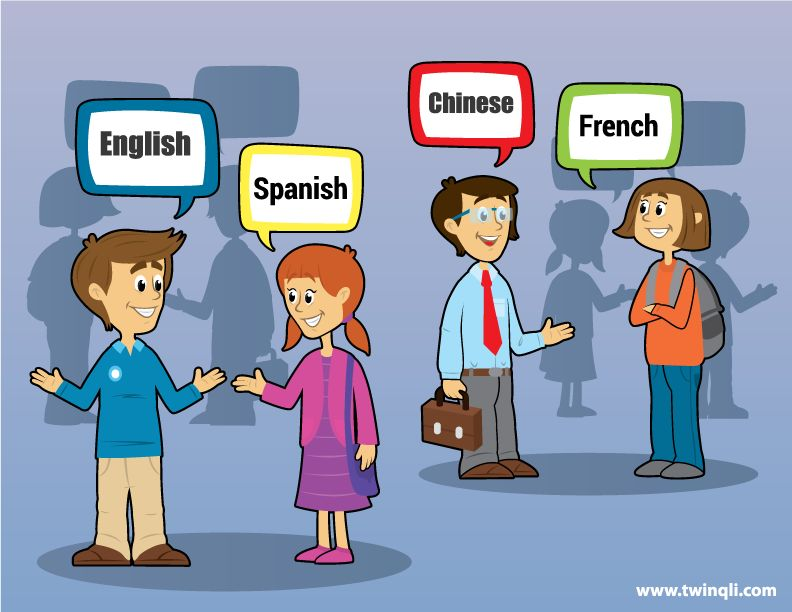
Cultural knowledge should be shared through education. This helps younger generations stay connected to their roots.
Benefits of Why Culture Is Important in Society and Everyday Life
- Builds strong personal and social identity
- Promotes unity and harmony in society
- Encourages respect for different cultures
- Strengthens moral and ethical values
- Preserves traditions and historical heritage
- Improves communication and understanding
- Supports social stability and discipline
- Enhances cooperation among communities
Disadvantages / Risks
- Cultural differences can sometimes lead to misunderstandings
- Some traditions may resist modernization
- Cultural bias can create discrimination
- Over attachment to culture may limit open thinking
- Misinterpretation of cultural values can cause conflict
Common Mistakes to Avoid
Many people think culture is only about festivals or clothing, but it is much deeper than that. Culture includes values, beliefs, and behavior.
Another mistake is ignoring other cultures. This can lead to misunderstanding and social tension.
Some people follow outdated traditions without questioning whether they are still useful.
It is also wrong to believe that one culture is superior to another. Every culture has its own importance and value.
FAQs
1. What is culture in simple words?
Culture is the way people live, think, and behave in society. It includes traditions, values, and beliefs.
2. Why is culture important in daily life?
Culture is important because it guides behavior, builds identity, and helps people live peacefully together.
3. How does culture affect society?
Culture affects society by shaping rules, values, and relationships among people.
4. Can culture change over time?
Yes, culture changes due to technology, education, and globalization.
5. Why should we respect other cultures?
We should respect other cultures to promote peace, unity, and understanding.
6. What are examples of culture?
Examples include language, food, clothing, festivals, music, and customs.
Expert Tips & Bonus Points
Always stay open-minded when learning about other cultures. It helps build stronger relationships.
Participate in cultural activities to understand diversity better.
Teach children cultural values from an early age so they grow with strong moral foundations.
Respect differences instead of judging them quickly.
Learn from other cultures while preserving your own identity.
Conclusion
Why Culture Is Important in Society and Everyday Life is clearly seen in every aspect of human living. Culture shapes identity, behavior, and social structure. It connects people and creates harmony in society.
Without culture, society would lack direction, values, and unity. Culture teaches important life lessons such as respect, responsibility, and cooperation. It helps people live together peacefully despite differences.
Understanding Why Culture Is Important in Society and Everyday Life allows us to appreciate diversity and build stronger communities. It reminds us that every culture has its own value and contributes to the richness of human life.
In today’s fast-changing world, culture continues to evolve, but its importance remains the same. It is the foundation of society and an essential part of everyday life that shapes both individuals and communities.