
Introduction
Modern Culture vs Traditional Culture Key Differences is an important topic in today’s fast-changing world. Culture shapes how people think, behave, communicate, and live their daily lives. As societies develop, the gap between modern and traditional values becomes more visible. Understanding Modern Culture vs Traditional Culture Key Differences helps us see how the past and present influence human behavior.
Traditional culture is based on long-standing beliefs, customs, and practices passed down through generations. It focuses on family values, respect for elders, religion, and community unity. On the other hand, modern culture is shaped by technology, globalization, education, and changing social norms. It encourages individuality, innovation, freedom of expression, and fast adaptation to new ideas.
In today’s world, both cultures exist side by side. Many people follow traditional values while also adopting modern lifestyles. This creates a unique blend of old and new ways of living. However, it can also lead to misunderstandings and conflicts between generations.
This article explains Modern Culture vs Traditional Culture Key Differences in a simple and clear way. You will learn what each culture means, why it is important, how they differ, their benefits, risks, and common mistakes people make while balancing both. By the end, you will have a deep understanding of how culture shapes modern society and personal identity.
What is Modern Culture vs Traditional Culture Key Differences?
Modern Culture vs Traditional Culture Key Differences refers to the comparison between two ways of life that shape human society. These differences highlight how people lived in the past compared to how they live today.
Traditional culture is rooted in history, customs, and long-established beliefs. It values stability, discipline, and respect for elders. Family structure is usually strong, and decisions are often made collectively. People tend to follow rituals, religious practices, and social norms strictly.
Modern culture, however, is more flexible and open-minded. It is influenced by technology, education, media, and globalization. People have more freedom to choose their careers, lifestyles, and relationships. Individual rights and personal expression are highly valued.
The Modern Culture vs Traditional Culture Key Differences can be seen in many areas such as clothing, education, communication, family systems, and social behavior. While traditional culture emphasizes preservation of values, modern culture focuses on change and progress.
Both cultures are important in their own way. Traditional culture gives identity and stability, while modern culture brings innovation and growth. Understanding both helps people create a balanced lifestyle in a rapidly changing world.
Why is Modern Culture vs Traditional Culture Key Differences Important?
Understanding Modern Culture vs Traditional Culture Key Differences is important because it helps us understand social change and human behavior. Culture affects how people think, act, and interact with each other.
First, it helps bridge the gap between generations. Older generations often prefer traditional values, while younger generations lean toward modern ideas. Knowing these differences reduces conflicts and improves communication within families.
Second, it helps in education and personal development. Students and professionals can better understand global perspectives by studying both cultures. This improves adaptability in international environments.
Third, it supports cultural respect and diversity. In a globalized world, people from different backgrounds interact daily. Understanding Modern Culture vs Traditional Culture Key Differences promotes tolerance and reduces misunderstandings.
Finally, it helps individuals make better life choices. People can choose which values to follow based on their personal beliefs, career goals, and lifestyle preferences. A balanced understanding leads to a more stable and successful life.
Detailed Step-by-Step Guide
Step 1: Understand Traditional Culture
Traditional culture is built on customs, rituals, and beliefs passed through generations. It includes family values, religious practices, and social discipline. People usually respect authority and follow established rules.
Key features include:
- Strong family bonding
- Respect for elders
- Religious and cultural rituals
- Community-based living
Step 2: Understand Modern Culture
Modern culture focuses on innovation, freedom, and individuality. It is influenced by technology, media, and global connections. People are encouraged to think independently and express themselves freely.
Key features include:
- Individual freedom
- Technology-driven lifestyle
- Equal opportunities
- Open communication
Step 3: Compare Social Values
One of the main Modern Culture vs Traditional Culture Key Differences is social values. Traditional culture emphasizes duty, respect, and hierarchy. Modern culture focuses on equality, independence, and personal rights.
For example, in traditional societies, arranged marriages are common. In modern societies, people often choose their own partners.
Step 4: Compare Education Systems
Traditional education focuses on discipline, memorization, and teacher authority. Modern education encourages creativity, critical thinking, and student participation.
Students today have access to online learning, digital tools, and global knowledge platforms.
Step 5: Compare Lifestyle Choices
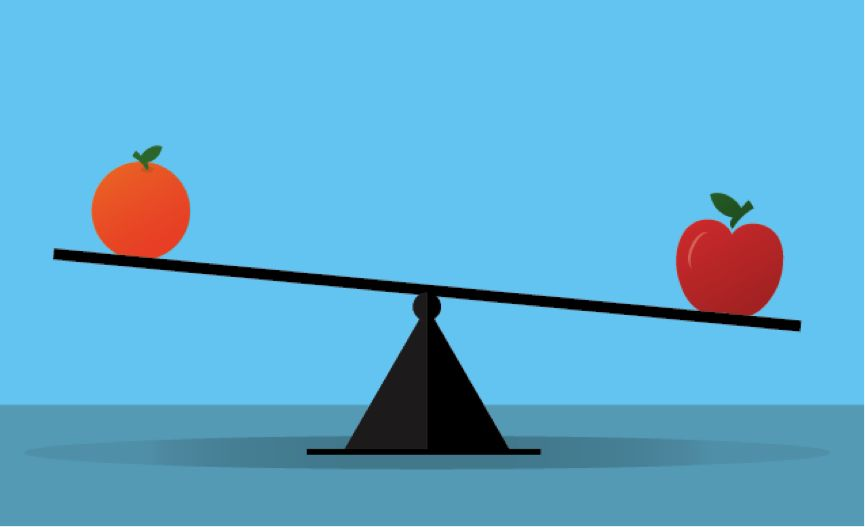
Traditional lifestyles are simple and community-oriented. Modern lifestyles are fast-paced, technology-driven, and individual-focused.
People today travel more, work remotely, and use digital communication tools.
Step 6: Balance Both Cultures
The best approach is to balance both cultures. Respect traditional values while embracing modern opportunities. This creates harmony and personal growth.
Benefits of Modern Culture vs Traditional Culture Key Differences
- Helps understand social evolution
- Improves communication between generations
- Encourages cultural awareness and respect
- Supports personal freedom and identity
- Promotes innovation and creativity
- Strengthens family and community balance when combined
- Enhances global understanding
Disadvantages / Risks
- Generation gap can create misunderstandings
- Loss of traditional values in modern society
- Cultural identity confusion
- Overdependence on technology in modern culture
- Resistance to change in traditional culture
- Social pressure from both systems
Common Mistakes to Avoid
Many people misunderstand Modern Culture vs Traditional Culture Key Differences and make errors in judgment.
- Rejecting one culture completely
- Ignoring cultural roots
- Blindly following modern trends
- Disrespecting traditional values
- Creating unnecessary conflicts between generations
- Failing to adapt to changing environments
A balanced approach is always better than extreme views.
FAQs
1. What is the main difference between modern and traditional culture?
The main difference is that traditional culture focuses on customs and long-held beliefs, while modern culture focuses on change, individuality, and innovation.
2. Why is traditional culture still important today?
Traditional culture provides identity, moral values, and social stability. It helps people stay connected to their roots and history.
3. How does modern culture affect youth?
Modern culture gives youth more freedom, education opportunities, and access to technology, but it can also lead to confusion if not balanced properly.
4. Can modern and traditional culture exist together?
Yes, both can coexist. Many societies blend traditional values with modern lifestyles to create balance and harmony.
5. What are examples of modern culture?
Examples include social media usage, online education, digital communication, and global travel.
6. What are examples of traditional culture?
Examples include family gatherings, religious ceremonies, traditional clothing, and respect for elders.
Expert Tips & Bonus Points
Experts suggest that understanding Modern Culture vs Traditional Culture Key Differences helps build a balanced personality.
- Always respect your cultural background
- Stay open to new ideas and technologies
- Learn from both past and present experiences
- Avoid extreme thinking in cultural matters
- Encourage healthy discussions between generations
- Use education to bridge cultural gaps
A strong personality is built when tradition and modernity work together instead of against each other.
Conclusion
Modern Culture vs Traditional Culture Key Differences play a major role in shaping today’s society. Both cultures have their strengths and weaknesses, and both contribute to human development in different ways. Traditional culture provides stability, values, and identity, while modern culture offers freedom, innovation, and global connection.
In today’s fast-changing world, it is important to understand and respect both systems. Rejecting one completely can lead to imbalance and conflict. Instead, combining the best aspects of both cultures creates a healthier and more productive society.
People should learn to appreciate their roots while also embracing new opportunities. This balanced approach helps individuals grow personally and socially. It also reduces misunderstandings between generations and promotes harmony in communities.