
Smart living technology refers to the use of connected devices, automation systems, and artificial intelligence to make daily life easier, safer, and more efficient. It combines modern electronics with internet connectivity to control home environments, personal devices, and even lifestyle habits.
In 2026, smart living is no longer a luxury. It is becoming a normal part of modern homes, offices, and cities as people focus more on convenience, energy efficiency, and security.
What Does Smart Living Mean?
Smart living means using technology to automate and simplify everyday tasks. Instead of manually controlling everything, devices can work automatically or be controlled through smartphones, apps, or voice commands.
For example, lights can turn on automatically when you enter a room, or your thermostat can adjust temperature based on your routine. This creates a more comfortable and efficient lifestyle.
How Smart Living Technology Works
Smart living technology works through the Internet of Things (IoT), which connects devices to the internet so they can communicate with each other.
These devices collect data, analyze behavior, and respond automatically or through user commands. For example, a smart home system can learn your habits and adjust lighting, security, and temperature without manual input.
Cloud computing and artificial intelligence play a major role in making these systems intelligent and responsive.
Smart Homes and Automation
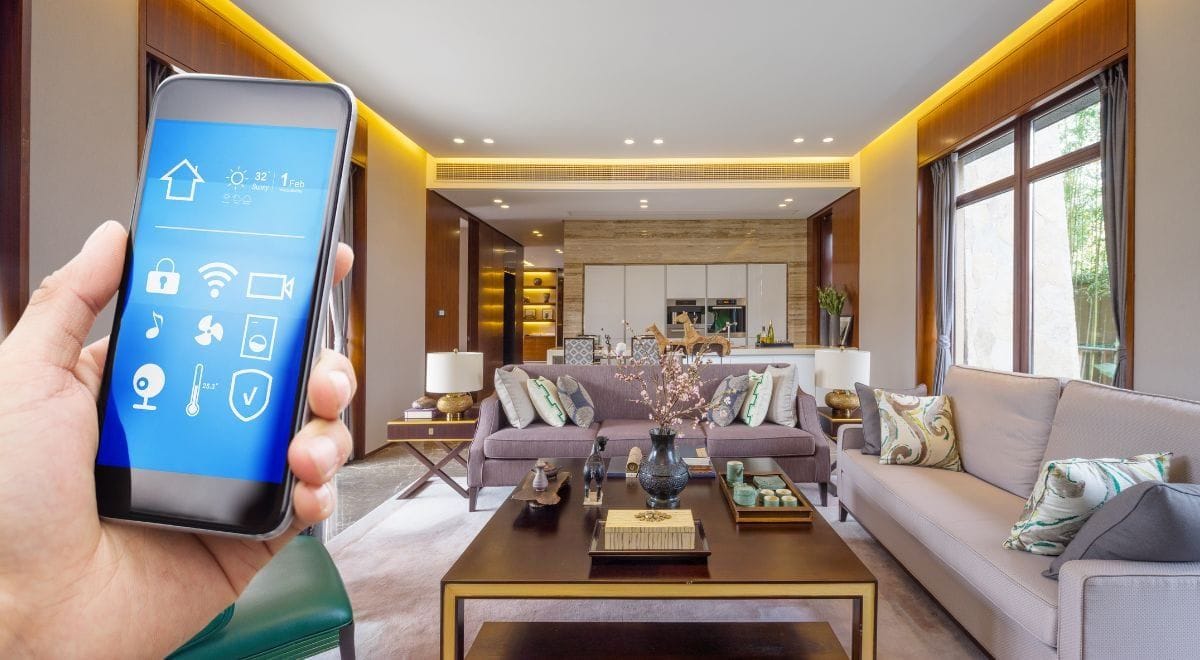
One of the most common applications of smart living is smart homes. These homes use connected devices to control lighting, security, appliances, and entertainment systems.
Smart automation allows homeowners to manage everything from a single device like a smartphone or tablet. This improves convenience and reduces manual effort in daily tasks.
Smart homes also help in reducing energy consumption by optimizing device usage.
Smart Devices in Everyday Life
Smart living includes a wide range of devices used in daily routines. These include smart speakers, wearable devices, security cameras, and home appliances.
Amazon Alexa and Google Assistant are popular examples of smart assistants that help control devices, answer questions, and manage schedules.
Wearable devices like smartwatches also help track health, fitness, and daily activities.
Benefits of Smart Living Technology
Smart living technology offers many benefits. It improves convenience by automating routine tasks and saving time.
It also enhances security through smart surveillance systems and real-time alerts. Homeowners can monitor their property from anywhere in the world.
Another major benefit is energy efficiency. Smart systems help reduce electricity and water usage by optimizing consumption.
Smart Living and Artificial Intelligence
Artificial intelligence plays a key role in smart living systems. AI helps devices learn user behavior and make intelligent decisions.
For example, a smart thermostat can learn your preferred temperature settings and adjust automatically.
AI also improves voice recognition, automation accuracy, and predictive maintenance in smart systems.
Smart Cities and Future Living
Smart living is not limited to homes. Many cities are becoming smart cities by using technology to improve transportation, energy management, and public services.
Smart traffic systems reduce congestion, while smart grids improve electricity distribution.
These advancements create more efficient and sustainable urban environments.
Security and Privacy Concerns
While smart living offers many benefits, it also raises concerns about data privacy and security.
Since devices are connected to the internet, there is a risk of hacking or data misuse if proper security measures are not in place.
Users must ensure strong passwords, regular updates, and secure networks to protect their systems.
Challenges of Smart Living Technology
One of the main challenges is cost. Smart devices and systems can be expensive to install and maintain.
Another challenge is technical complexity. Some users may find it difficult to set up and manage connected devices.
Internet dependency is also a limitation, as smart systems require stable connectivity to function properly.
Future of Smart Living Technology
The future of smart living is highly advanced. With improvements in artificial intelligence, 5G networks, and automation, smart systems will become even more intelligent and responsive.
Homes, offices, and cities will become more connected, efficient, and personalized.
Smart living will continue to evolve toward fully automated environments where human effort is minimized.
Conclusion
Smart living technology is transforming the way people live by combining automation, artificial intelligence, and connectivity. It improves comfort, security, and efficiency in everyday life.
In 2026, smart living is becoming a standard rather than an option. As technology continues to grow, it will create more intelligent, sustainable, and convenient lifestyles for people around the world.