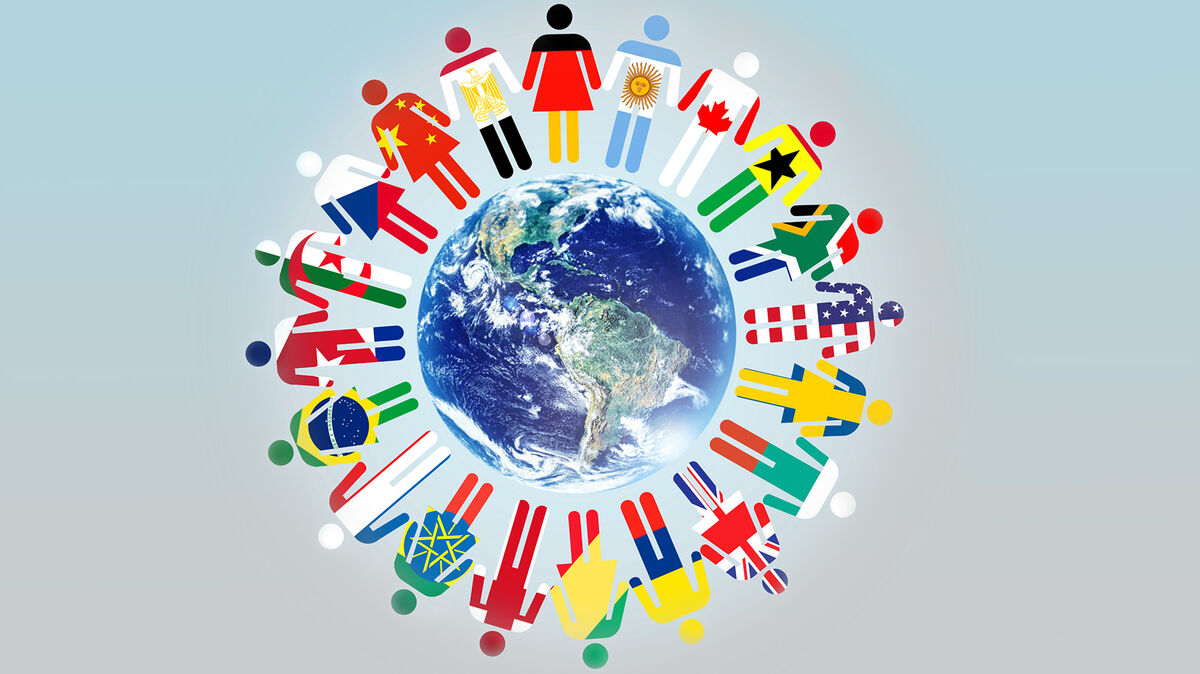

Culture is the way people live, think, behave, and interact with each other. It includes traditions, language, religion, food, clothing, values, and social habits. Every society in the world has its own unique culture that shapes how people understand life.
In today’s globalized world, where people from different backgrounds interact daily, culture plays an even more important role in maintaining identity and harmony.
Cultural organizations and creative communities can use an AI logo generator to design visual identities that reflect their values and heritage.
What Culture Really Means
Culture is not just about festivals or traditions. It is a complete system of shared beliefs, values, and practices that guide human behavior.
It influences how people communicate, solve problems, and make decisions. From family structure to education and work ethics, culture shapes nearly every part of life.
In simple terms, culture is what makes a group of people unique and connected at the same time.
Why Culture Is Important in Society
Culture is important because it creates social unity. When people share common values and traditions, it becomes easier for them to live together peacefully.
It also provides a sense of identity. People feel proud of their culture, which helps them understand where they belong.
Without culture, society would lack structure, meaning, and connection between individuals.
Culture Builds Identity and Belonging
One of the most important roles of culture is creating identity. It helps individuals understand who they are and what they represent.
Cultural identity gives people confidence and a sense of belonging. It connects them with their ancestors and history.
This connection is important for emotional and social stability.
Culture Promotes Social Harmony
Culture helps people live together peacefully by teaching respect, tolerance, and cooperation. Shared customs and traditions encourage mutual understanding.
Even when people have differences, cultural values often provide common ground for communication and respect.
In diverse societies, culture acts as a bridge between different communities.
Culture in Everyday Life
Culture is not limited to special occasions; it is part of daily life. It influences how people greet each other, eat meals, dress, and celebrate events.
For example, family traditions, daily routines, and social manners are all shaped by cultural practices.
Even small habits, like table manners or language use, are part of cultural behavior.
Culture and Moral Values
Culture plays a key role in shaping moral values. It teaches what is considered right or wrong in a society.
Values such as honesty, respect, kindness, and responsibility are often passed down through cultural teachings.
These values help maintain order and discipline in society.
Culture Encourages Learning and Education
Culture also influences education and knowledge sharing. Schools often teach cultural history, literature, and traditions to help students understand their heritage.
Learning about culture helps people appreciate diversity and develop a broader perspective on life.
It also encourages creativity through art, music, and storytelling.
Culture and Economic Development
Culture contributes to economic growth, especially through tourism, crafts, and cultural industries.
Traditional arts, handicrafts, and festivals attract tourists and generate income for local communities.
Many businesses also use cultural elements in branding and marketing.
Impact of Modernization on Culture
Modernization has brought many changes in lifestyle, communication, and technology. While it has improved convenience, it has also affected traditional cultural practices.
Some customs and languages are slowly disappearing due to modern influence.
However, culture continues to evolve and adapt to new changes while maintaining its core values.
How Culture Strengthens Communities
Strong cultural values help communities stay connected. Festivals, celebrations, and shared traditions bring people together.
These activities strengthen relationships and build trust among community members.
Cultural unity also helps societies face challenges more effectively.
Challenges to Cultural Preservation
Globalization, migration, and digital media can sometimes weaken cultural identity. Younger generations may become less connected to traditional practices.
Urbanization can also reduce the importance of cultural spaces and traditions.
This makes cultural preservation efforts more important in modern society.
Conclusion
Culture is an essential part of society and everyday life. It shapes identity, builds unity, and guides behavior in meaningful ways.
In 2026, despite rapid modernization, culture remains a powerful force that connects people to their history and each other.
By respecting and preserving culture, societies can maintain harmony, diversity, and a strong sense of belonging for future generations.