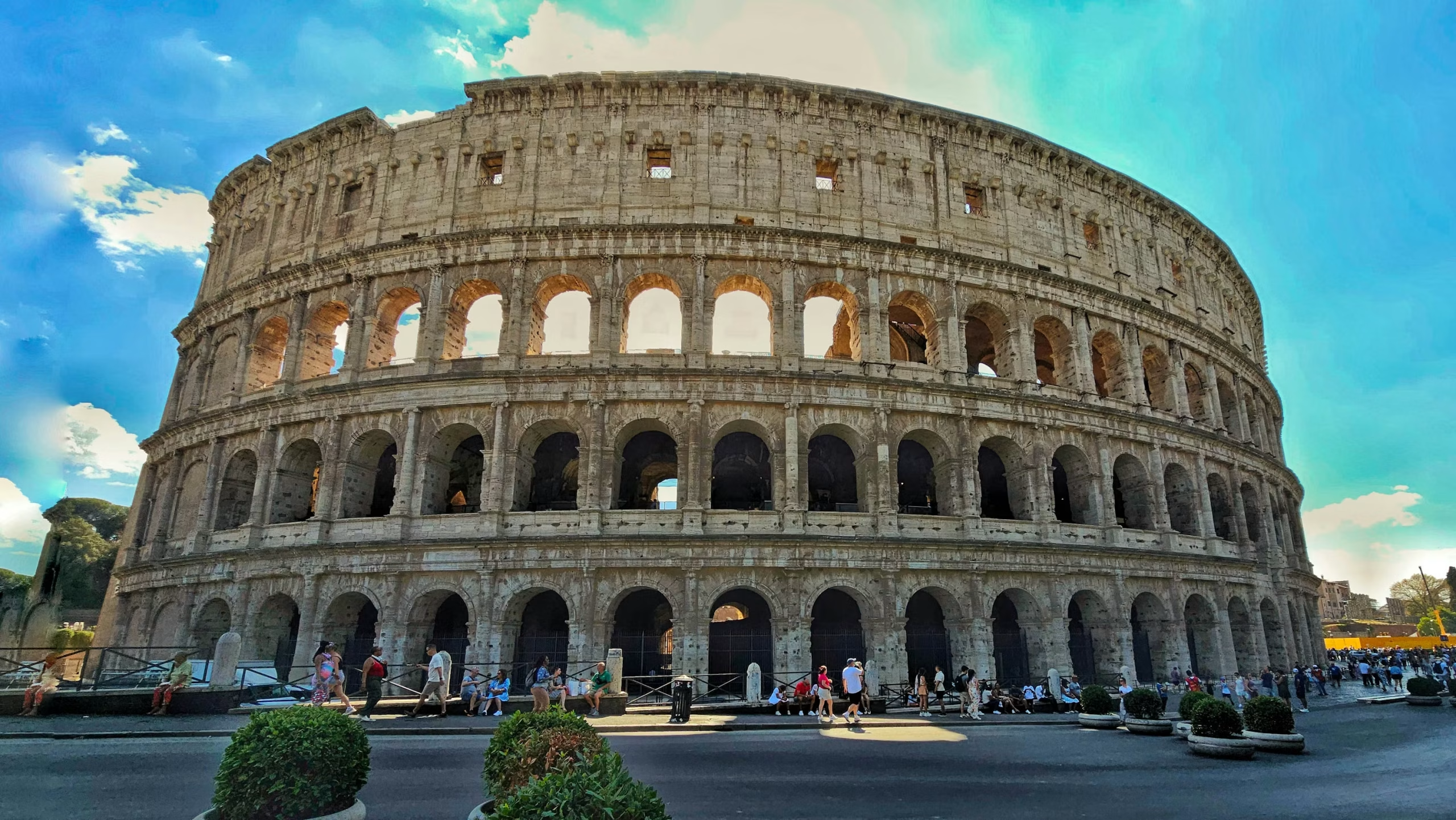

Cultural heritage refers to the legacy of physical artifacts, traditions, practices, languages, and values that are passed down from past generations to the present and future. It represents the identity of a society and reflects how people lived, thought, and expressed themselves over time.
In 2026, globalization and digital transformation are rapidly changing lifestyles around the world. Because of this, cultural heritage has become even more important to preserve identity, history, and diversity.
Types of Cultural Heritage
Cultural heritage is generally divided into two main types: tangible and intangible.
Tangible heritage includes physical objects such as monuments, buildings, artifacts, paintings, and historical sites. These are visible and can be preserved in museums or protected locations.
Intangible heritage includes non-physical elements such as traditions, languages, music, rituals, festivals, storytelling, and customs. These are passed from generation to generation through practice and memory.
Both forms are equally important because they together represent the full identity of a culture.
Why Cultural Heritage is Important
Cultural heritage plays a vital role in shaping identity. It helps people understand who they are, where they come from, and what values define their society.
It also promotes unity and social cohesion. When people share common traditions and history, it strengthens community bonds and mutual respect.
Additionally, cultural heritage supports education by providing real-life connections to history and human development.
Preserving History and Identity
One of the main reasons cultural heritage matters is because it preserves history. Without it, future generations would lose access to valuable knowledge about the past.
Historical monuments and traditions act as reminders of human achievements, struggles, and progress.
Preserving cultural heritage ensures that identity is not lost in the face of modernization.
Cultural Heritage and Tourism
Cultural heritage also plays an important role in tourism. Many countries attract visitors through historical sites, museums, and cultural festivals.
Tourism based on heritage helps generate income and supports local economies. It also encourages cultural exchange between people from different parts of the world.
However, it is important to manage tourism responsibly to avoid damage to heritage sites.
The Impact of Globalization
Globalization has made the world more connected, but it has also created challenges for cultural heritage. Modern lifestyles and global media often overshadow local traditions.
Many languages, customs, and traditional practices are disappearing because younger generations are influenced by global culture.
This makes preservation efforts even more important today than ever before.
Digital Preservation of Culture
In the modern era, technology is playing a key role in preserving cultural heritage. Digital archives, virtual museums, and online documentation help protect historical information.
Google Arts & Culture is one example of a platform that allows people to explore historical artifacts and cultural sites online from anywhere in the world.
Digital preservation ensures that cultural knowledge remains accessible even if physical sites are damaged or lost.
Role of Education in Cultural Preservation
Education is essential for keeping cultural heritage alive. Schools and institutions teach students about history, traditions, and cultural values.
When young people understand their heritage, they are more likely to respect and preserve it.
Educational programs also encourage cultural pride and awareness.
Threats to Cultural Heritage
Cultural heritage faces several threats such as urbanization, environmental damage, neglect, and conflict. Rapid development can sometimes destroy historical sites.
Climate change also poses risks to monuments and natural heritage sites.
Without proper protection, valuable cultural assets can be permanently lost.
How We Can Protect Cultural Heritage
Protecting cultural heritage requires effort from governments, organizations, and individuals. Laws and regulations help protect historical sites and artifacts.
Public awareness campaigns encourage people to respect and preserve traditions.
Community involvement is also important, as local people play a key role in safeguarding cultural practices.
Conclusion
Cultural heritage is a vital part of human identity and history. It connects the past with the present and guides future generations.
In today’s fast-changing world, preserving cultural heritage is more important than ever. It helps maintain diversity, strengthen identity, and promote understanding between cultures.
By protecting both tangible and intangible heritage, we ensure that valuable traditions and knowledge are never lost.