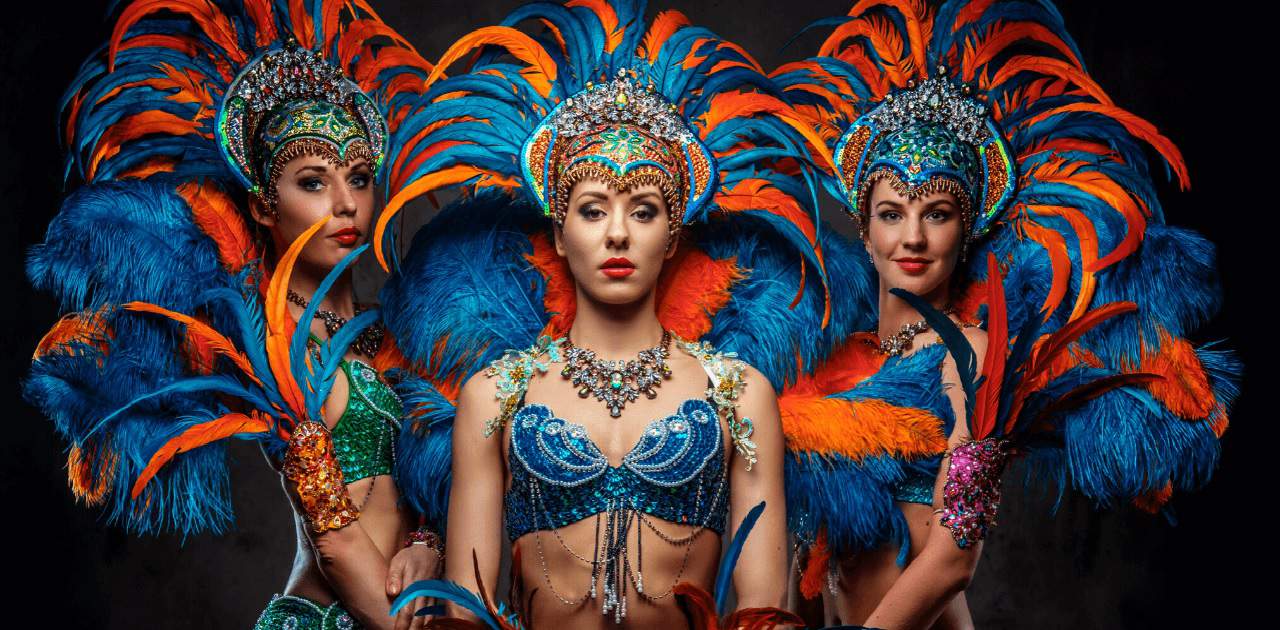

Cultural festivals are special events that celebrate the traditions, beliefs, history, and identity of different communities around the world. These festivals bring people together, promote unity, and preserve cultural heritage in a joyful and meaningful way.
In 2026, cultural festivals are not only celebrated locally but also shared globally through tourism and digital media, allowing people from different countries to experience diverse traditions.
Why Cultural Festivals Are Important
Cultural festivals play an important role in strengthening social bonds and preserving traditions. They help people reconnect with their roots and pass cultural values to younger generations.
These festivals also promote peace and understanding among different cultures. When people learn about others’ traditions, it reduces misunderstanding and increases respect.
In addition, cultural festivals support local economies through tourism, handicrafts, food, and entertainment.
Religious Festivals
Religious festivals are among the most widely celebrated cultural events in the world. They are based on spiritual beliefs and religious teachings.
Examples include Eid celebrations in Muslim communities, Christmas in Christianity, Diwali in Hinduism, and Hanukkah in Judaism.
These festivals often involve prayers, rituals, family gatherings, and charity activities, reflecting faith and devotion.
Seasonal Festivals
Seasonal festivals are based on changes in seasons such as spring, summer, autumn, and winter. They often celebrate nature, harvest, and weather changes.
For example, harvest festivals in many countries celebrate agricultural success and thank nature for food production.
These festivals highlight the connection between humans and the natural environment.
National and Independence Festivals
National festivals celebrate important historical events, especially independence and national unity. They remind people of their country’s history and struggles.
Examples include Independence Day celebrations in different countries, where people honor their freedom and national identity.
These festivals often include parades, speeches, and cultural performances.
Traditional Folk Festivals
Folk festivals are based on local traditions, music, dance, and storytelling. They reflect the lifestyle and customs of specific regions or communities.
These festivals often include traditional clothing, handmade crafts, and regional food.
They play an important role in preserving local culture and passing it to future generations.
Art and Music Festivals
Art and music festivals celebrate creativity and artistic expression. They bring together artists, musicians, and performers from different backgrounds.
These events showcase paintings, live performances, dance shows, and cultural exhibitions.
Such festivals promote cultural exchange and inspire creativity among audiences.
Food and Harvest Festivals
Food festivals celebrate traditional cuisine and local food culture. They allow people to experience different dishes and cooking styles from various regions.
Harvest festivals are closely related, as they celebrate the collection of crops and agricultural success.
These festivals highlight the importance of food in cultural identity and community life.
Cultural Tourism Festivals
Cultural tourism festivals are organized to attract visitors and promote local heritage. They include cultural shows, exhibitions, and traditional performances.
These festivals help tourists understand the history and traditions of a region while supporting local businesses.
They are an important part of the global tourism industry.
Modern Cultural Festivals
Modern cultural festivals combine traditional elements with contemporary entertainment. They often include music concerts, fashion shows, and digital art displays.
These festivals appeal to younger generations while still preserving cultural roots.
They show how culture continues to evolve with time.
Role of Festivals in Society
Cultural festivals strengthen unity, promote diversity, and encourage social harmony. They bring people together regardless of background or belief.
They also provide a platform for cultural expression and creativity.
Most importantly, they help keep traditions alive in a rapidly changing world.
Challenges Facing Cultural Festivals
Some cultural festivals face challenges such as commercialization, loss of traditional values, and lack of youth participation.
Globalization can sometimes overshadow local traditions with modern entertainment.
Efforts are needed to preserve the authenticity of cultural celebrations.
Conclusion
Cultural festivals are a vibrant part of human life. They celebrate diversity, preserve traditions, and bring people together in meaningful ways.
From religious and seasonal festivals to modern cultural events, each type plays an important role in society.
In 2026, cultural festivals continue to connect the world, reminding us of our shared humanity and rich cultural diversity.