
Introduction
Setting up a connected home is no longer a luxury. It has become a practical and affordable way to improve comfort, security, and energy efficiency. Many beginners today want to understand How to Set Up a Smart Home but feel confused by the wide range of devices and systems available. The good news is that the process is much simpler than it looks when broken into clear steps.
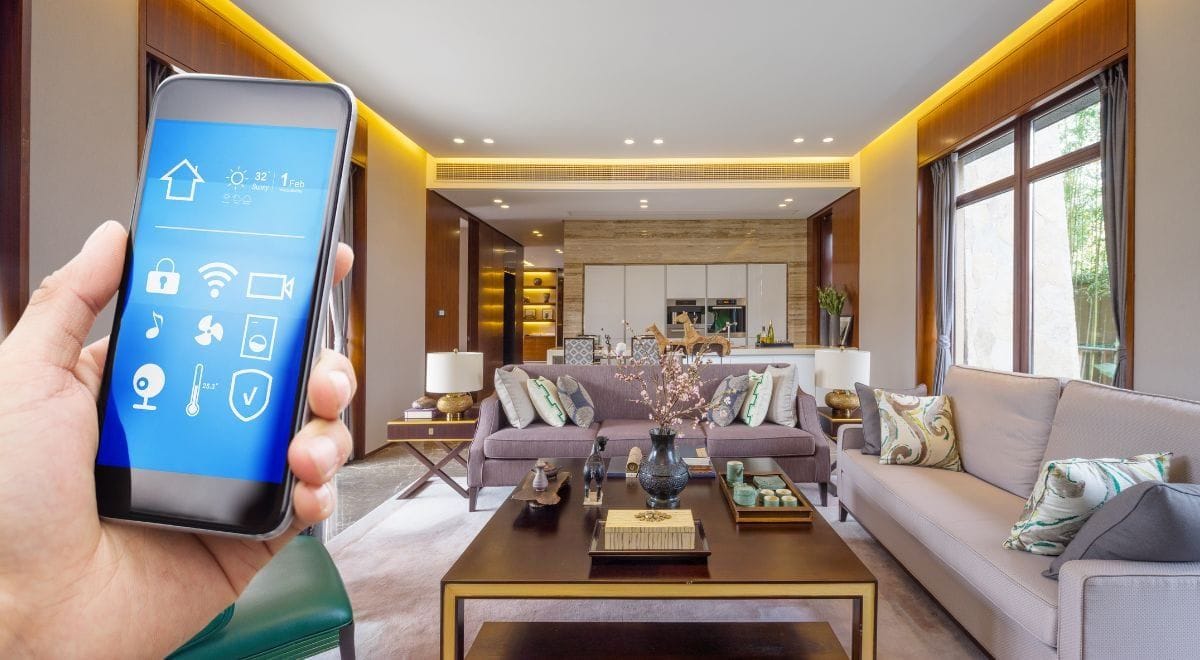
A smart home allows you to control lights, appliances, security cameras, and even temperature using your phone or voice commands. Whether you are at home or away, everything stays under your control. This is why learning How to Set Up a Smart Home is becoming an essential skill for modern living.
In this guide, you will learn everything from choosing the right devices to connecting them into one system. The steps are designed for beginners as well as intermediate users who want to upgrade their current setup. You will also understand the benefits, risks, and common mistakes so you can build a reliable system without wasting money or time.
By the end of this article, you will clearly understand How to Set Up a Smart Home in a simple, structured, and practical way that works for any budget.
What is How to Set Up a Smart Home?
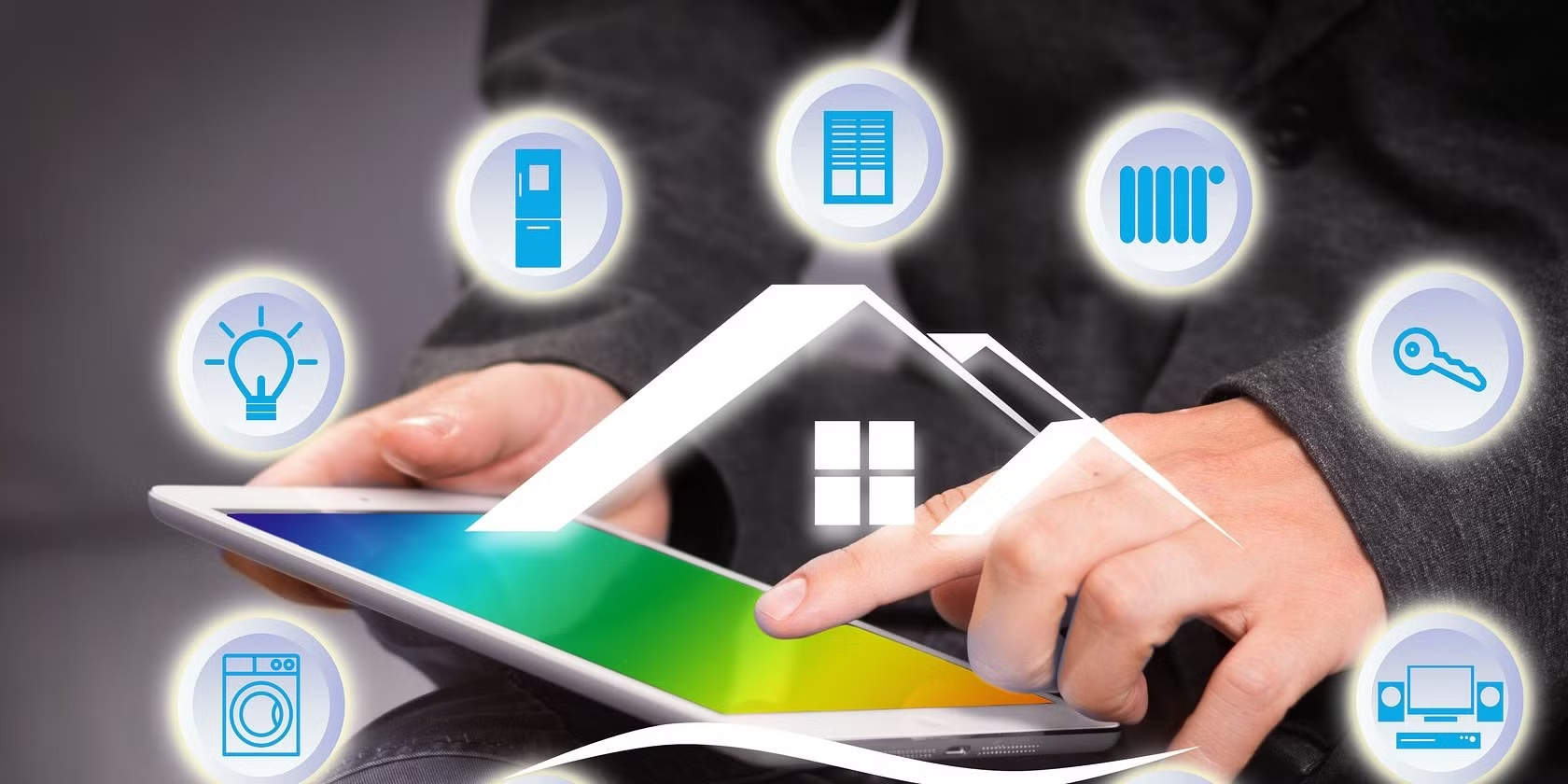
Understanding How to Set Up a Smart Home starts with knowing what a smart home actually is. A smart home is a living space where everyday devices are connected to the internet and can be controlled remotely. These devices communicate with each other through a central system such as a smartphone app, voice assistant, or smart hub.
When people talk about How to Set Up a Smart Home, they are referring to the process of installing and connecting devices like smart bulbs, plugs, thermostats, door locks, and cameras. These devices can be automated to perform tasks without manual control.
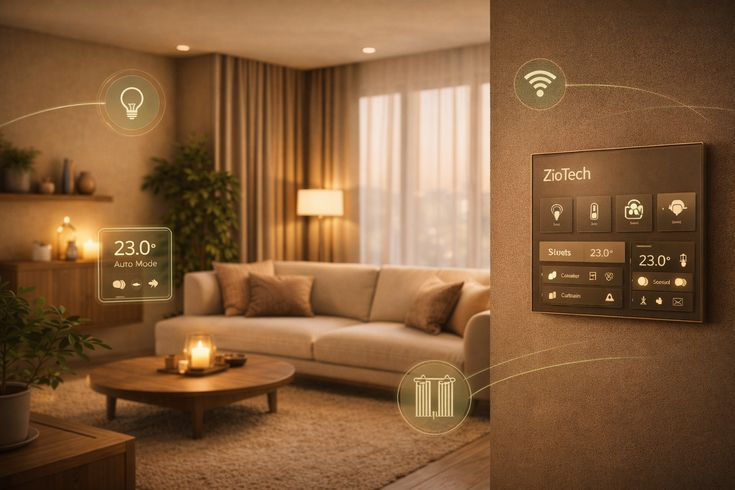
For example, your lights can turn on automatically when you enter a room. Your thermostat can adjust temperature based on your routine. Security cameras can send alerts directly to your phone. All of this is part of a properly designed smart home system.
The goal of How to Set Up a Smart Home is not just convenience but also better control over energy usage, safety, and daily comfort. It turns a regular house into a connected environment that responds to your needs.
Why is How to Set Up a Smart Home Important?
Learning How to Set Up a Smart Home is important because it directly improves daily life. Modern households are becoming more digital, and smart systems help keep everything organized and efficient.
One major reason is convenience. Instead of manually switching devices on and off, you can control everything from your phone or voice assistant. This saves time and reduces effort in daily routines.
Another reason is energy efficiency. Smart devices help reduce electricity waste by automatically turning off when not needed. This can significantly lower monthly bills.
Security is also a key factor. With smart cameras, door sensors, and alarms, you can monitor your home in real time. Even when you are far away, you stay connected to your home environment.
Finally, understanding How to Set Up a Smart Home increases property value. Many buyers now prefer homes with smart features already installed. This makes it a long-term investment as well.
Detailed Step-by-Step Guide
Step 1: Plan Your Smart Home Setup
Before installing anything, start with planning. Decide what you want to control in your home. Common areas include lighting, security, entertainment, and climate control.
Make a list of priorities. If security is most important, start with cameras and smart locks. If comfort matters more, begin with smart lights and thermostats. Planning is the foundation of How to Set Up a Smart Home.
Step 2: Choose a Smart Home Ecosystem
A smart ecosystem connects all devices together. Popular options include Google Home, Amazon Alexa, and Apple HomeKit. Choose one system and stick with it for better compatibility.
This step is crucial in How to Set Up a Smart Home because mixing systems can create connection issues later.
Step 3: Install a Strong Internet Connection
A smart home depends on stable internet. Make sure your Wi-Fi is strong and covers all areas of your house. You may need a Wi-Fi extender or mesh system for better coverage.
Without reliable internet, even the best smart devices will not function properly.
Step 4: Start with Basic Smart Devices
Begin with simple devices like smart bulbs, plugs, or switches. These are easy to install and do not require technical skills.
This helps you understand the basics of How to Set Up a Smart Home before moving to advanced systems.
Step 5: Add Smart Security Devices
Next, install smart cameras, door sensors, and alarms. These devices improve safety and give you real-time alerts.
Security is one of the most valuable parts of How to Set Up a Smart Home because it protects your family and property.
Step 6: Connect Devices to a Central App
Use your chosen ecosystem app to connect all devices. Follow the setup instructions provided by each manufacturer.
Once connected, you can control everything from a single dashboard.
Step 7: Automate Your Smart Home
Automation is where smart homes become powerful. Set schedules for lights, temperature, and appliances.
For example, lights can turn off automatically at bedtime. This is a key feature in advanced How to Set Up a Smart Home systems.
Step 8: Test and Optimize the System
After setup, test all devices. Make sure everything responds correctly. Adjust settings based on your lifestyle.
Optimization ensures your How to Set Up a Smart Home system runs smoothly.
Benefits of How to Set Up a Smart Home
- Improved daily convenience and comfort
- Better control over home devices
- Reduced electricity and energy bills
- Increased home security and monitoring
- Remote access from anywhere in the world
- Time-saving automation of daily tasks
- Higher property value and modern appeal
Disadvantages / Risks
- Initial setup cost can be high
- Requires stable internet connection
- Privacy concerns with connected devices
- Compatibility issues between brands
- Learning curve for beginners
- Dependence on technology for daily tasks
Common Mistakes to Avoid
Many beginners make mistakes while learning How to Set Up a Smart Home. Avoiding these errors can save time and money.
One common mistake is buying too many devices at once. Start small and expand gradually.
Another mistake is mixing different ecosystems. Stick to one platform for smooth integration.
Poor Wi-Fi planning is also a big issue. Weak internet can break the entire system.
Lastly, ignoring security updates can expose your system to risks. Always keep devices updated.
FAQs
1. What is the first step in How to Set Up a Smart Home?
The first step is planning your needs. Decide which areas of your home you want to automate before buying devices.
2. Do I need technical skills for How to Set Up a Smart Home?
No, most devices are designed for beginners. You only need basic smartphone knowledge.
3. Is How to Set Up a Smart Home expensive?
It depends on the devices you choose. You can start with low-cost options and expand later.
4. Can I control my smart home when I am outside?
Yes, you can control everything using mobile apps as long as you have internet access.
5. Are smart homes secure?

Yes, but only if you use strong passwords and keep devices updated regularly.
6. Which device should I start with first?
Smart bulbs or smart plugs are the best starting points for beginners.
Expert Tips & Bonus Points
Experts recommend starting small and scaling gradually when learning How to Set Up a Smart Home. Focus on one room first before expanding to the entire house.
Always check device compatibility before purchasing. This avoids future connection problems.
Use voice assistants for better convenience. They make controlling devices much easier.
Regularly update firmware to keep your system secure and efficient.
Finally, label your devices in the app to avoid confusion when managing multiple smart tools.
Conclusion
Learning How to Set Up a Smart Home is one of the most useful skills in modern living. It helps you create a connected environment where comfort, safety, and efficiency come together. Although the process may seem complex at first, breaking it into simple steps makes it easy for anyone to follow.
From planning and choosing the right ecosystem to installing devices and setting up automation, every step plays an important role. Once your system is in place, you will notice how much easier daily tasks become.
The key to success in How to Set Up a Smart Home is starting small and expanding slowly. This allows you to understand how each device works and how they interact with each other. Over time, your home becomes smarter, more efficient, and more secure.
With the right approach, even beginners can build a fully functional smart home without stress. As technology continues to grow, smart homes will become even more common. Now is the perfect time to start your journey and enjoy the benefits of a fully connected lifestyle.