Most people wear a small fraction of the clothes they own, yet still feel they have nothing to wear. The problem is rarely quantity; it is that the pieces do not work together. A wardrobe built around minimalist wardrobe essentials solves this by focusing on versatile, well-made clothing in colours that mix easily, so almost everything you own can be combined into an outfit you feel good in. The result is a calmer morning, a tidier closet, and money saved on clothes that would otherwise hang unworn with the tags still on.
Start With an Honest Closet Audit
Before buying anything, take everything out and sort it into three honest piles: things you wear often, things you wear occasionally for a reason, and things you have not touched in a year. Be strict with the third pile. Clothes that do not fit, are uncomfortable, or suit a life you no longer live are not assets; they are clutter with sentimental pricing. Donating or selling them creates the physical and mental space your new approach needs.
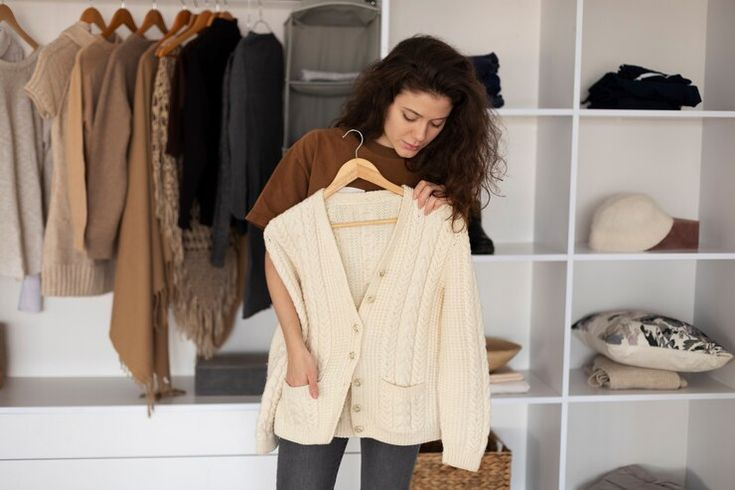
Pay attention to what survives the audit, because it tells you your real style. Most people discover they reach for the same colours, fabrics, and shapes again and again. Your minimalist wardrobe essentials should be an upgraded version of those proven favourites, not a fantasy wardrobe copied from someone else’s photos.
The Core Pieces Every Closet Needs
While everyone’s list differs slightly, a reliable foundation includes a well-fitting pair of dark trousers, quality jeans, a plain white shirt or blouse, two or three neutral knit tops, a tailored blazer, a warm coat, and shoes that work with everything: clean white trainers, simple loafers or ankle boots, and one smarter pair for formal occasions. Choose a palette of three or four colours that suit your skin tone, such as navy, white, grey, and beige, and almost every combination will work.
Quality matters more here than in any other kind of shopping, because these pieces will be worn weekly for years. Check seams, fabric weight, and how a garment feels after movement, not just how it looks on the hanger. Well-chosen minimalist wardrobe essentials cost more per item but dramatically less per wear, which is the only maths that really matters.
Buy Slowly and Budget Honestly
Building a better wardrobe does not require a single expensive shopping trip. In fact, replacing pieces gradually, one thoughtful purchase at a time, leads to far better choices. Create a short list of what your closet genuinely lacks, then save towards those items instead of browsing sales for bargains you never needed. A steady savings habit helps here too; this guide on planning a savings goal with a SIP calculator explains how small monthly amounts grow into meaningful sums, and applying the same patience to clothing turns wardrobe building from a splurge into a calm, planned project.
A useful rule is to ask three questions before any purchase: does it match at least three things I already own, would I wear it in two different settings, and would I still choose it at full price? If any answer is no, leave it in the shop.
Style Multipliers: Fit, Care, and Accessories
The secret of people who always look well dressed in simple clothes is rarely the clothes themselves. It is fit. A modest garment altered by a tailor to sit properly on your body looks more expensive than a designer piece in the wrong size. Budget a little for alterations; it transforms how your minimalist wardrobe essentials perform every single day.
Care is the second multiplier. Washing less often, using cold water, air-drying knits, and storing clothes properly can double the life of good fabric. The third multiplier is accessories. A watch, a scarf, a belt, or a piece of meaningful jewellery changes the character of the same core outfit, much as a story about a distinctive player such as Giorgi Mamardashvili, Georgia and Liverpool’s impressive shot-stopper, reminds us that a recognisable personal style is built from signature details, not endless variety. Even athletes off the pitch are remembered for a few consistent touches rather than constant reinvention.
Keeping the System Working
A minimalist wardrobe is maintained, not completed. Adopt a one-in, one-out habit: when a new piece arrives, an old one leaves. Review the closet at the change of each season, noting what earned its place and what quietly failed, and adjust your list accordingly. Some people enjoy photographing outfits that work well, so busy mornings require no thinking at all.
If you love fashion, minimalism does not ask you to stop enjoying it. It asks you to enjoy it deliberately: following trends you genuinely like, expressing them through one or two pieces, and letting your reliable core do the daily work. Documenting that journey can even become a creative project in itself, and learning how to structure a blog post step by step is a practical way to share outfit formulas and lessons learned with others building the same kind of closet.
What to Do When You Feel a Shopping Urge
Even committed minimalists feel the pull of a beautiful window display or a limited-time sale. A waiting rule handles these moments gracefully: photograph the item, note it on your list, and give yourself a week. Most urges expire within days, and the few that survive the week are usually genuine gaps in your wardrobe rather than impulses. When you do shop, try items with your existing core pieces in mind, and ideally with one of them on your body, so you can see the combination working before money changes hands. This pause-and-match habit protects both your budget and the coherence you have worked to build.
Conclusion
Minimalist wardrobe essentials turn getting dressed from a daily frustration into a two-minute non-event. Audit honestly, invest in a small set of versatile, well-fitting pieces, buy them slowly and on budget, and maintain the system with simple rules. You will spend less, waste less, and paradoxically feel better dressed than you did with a closet three times the size. True modern style is not about owning more; it is about needing less and choosing it well.